Cancer and healthy eating on a budget
Food prices have been rising, and many people with cancer worry about the cost of eating well.
Eating well during and after cancer treatment can help your body cope with treatment, recover, and maintain your strength. But healthy eating does not have to be expensive.
We share practical tips to help you eat well on a budget, including simple meal ideas, affordable foods and places to find extra support.

Eating well on a budget: quick tips
If you are short on time or energy, these small changes may help:
- plan meals before you shop to avoid buying food you do not need
- use frozen or canned foods, which are often cheaper and last longer
- cook extra portions and freeze them for later
- try affordable protein foods such as eggs, beans, lentils or peanut butter
- ask about financial support if food costs are difficult
Even small changes can make food shopping and cooking easier during cancer treatment.
Check if you can get financial help
If cancer is affecting your finances, you may be able to get support with everyday costs such as food and bills.
Some benefits that may help include:
Understanding the support available to you could make it easier to plan your food budget.
- You can use our benefits calculator to find out what you may be entitled to
- Use the Citizen's Advice calculator to work out your budget
If you would like to talk to someone about money worries, call the Macmillan Support Line on 0808 808 00 00. Our money advisers are available Monday to Friday, 8am to 6pm.
Food shopping tips to save money
1. Plan meals before you shop
Before going shopping, check what you already have in your cupboards, fridge and freezer. Planning meals for the week can help you avoid buying food you do not need.
Some people also find it helpful to keep a simple list of the food they already have at home.
2. Compare prices on labels
While shopping, check the price per unit on labels. Larger packs or discounted items are not always the cheapest option.
Switching to supermarket own brands can also help reduce costs.
3. Use frozen or canned foods
Frozen and canned foods can be a good way to save money and time. They often last longer than fresh foods and can be just as nutritious.
Good options include:
- frozen vegetables such as peas, broccoli or sweetcorn
- frozen berries or fruit
- canned beans and lentils
- tinned fish such as tuna, salmon or mackerel
- canned vegetables or soups
These foods can also be useful when you have low energy and want quick meals.
4. Freeze food to reduce waste
If food is close to its use-by date, you may be able to freeze it and use it later.
Foods that often freeze well include:
- milk
- fruit and vegestables
- bread
- butter
- meat and fish.
Freezing leftovers or extra portions can also make future meals quicker and cheaper.
Easy meals when you have low energy
Cancer treatment can cause extreme tiredness (fatigue). On days when you feel more tired, simple meals can help you eat without too much effort.
Easy meal ideas include:
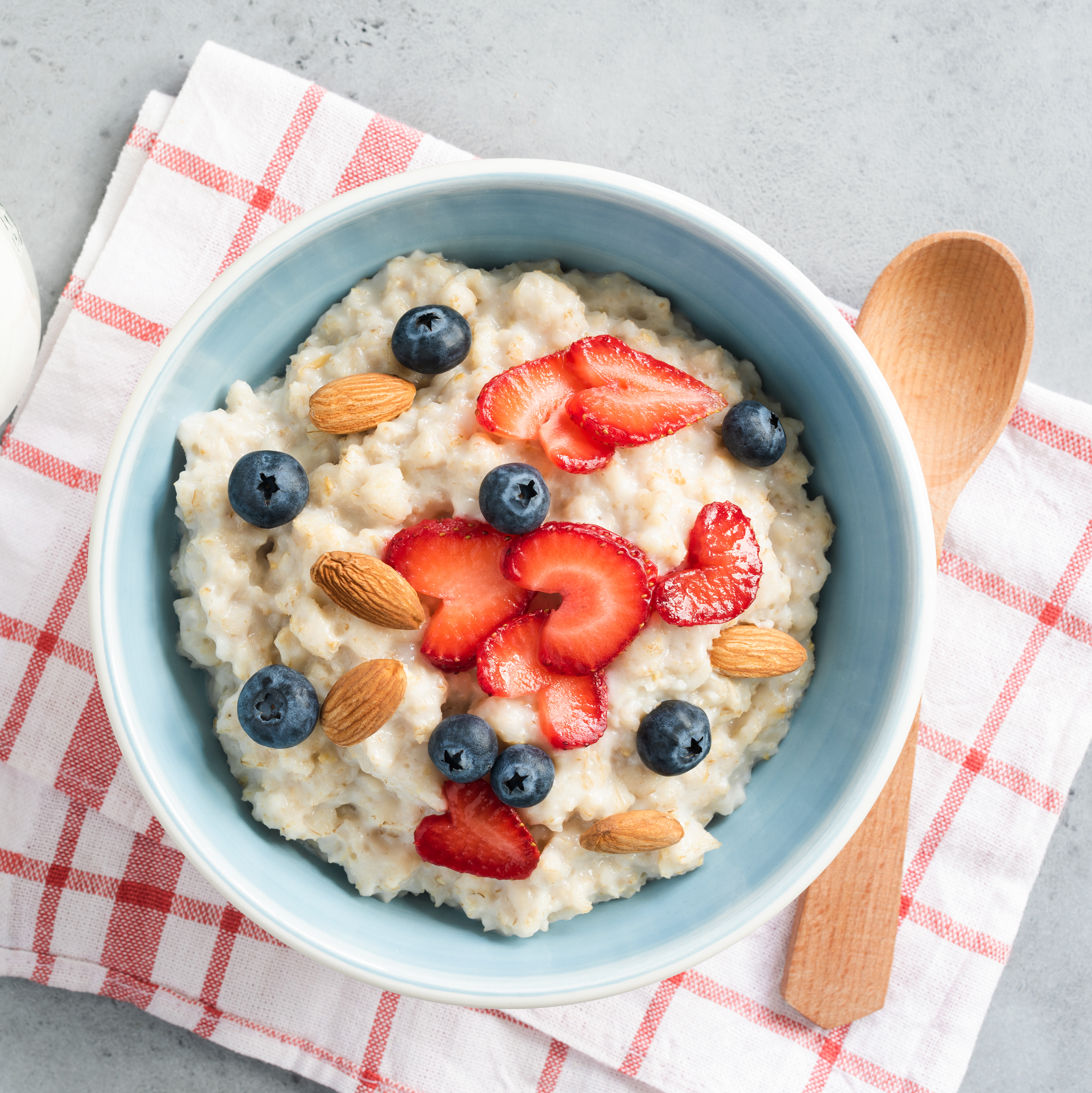
- porridge with yoghurt, fruit or nuts
- scrambled eggs or an omelette with cheese and vegetables
- toast with peanut butter, cheese or baked beans
- soup made with frozen vegetables
- baked potatoes with beans, tuna or cheese.
Cooking double portions on days when you have more energy and freezing the extras can make mealtimes easier later.
Using appliances like slow cookers or air fryers may also help reduce the effort and cost of cooking.
If treatment affects your appetite, taste or swallowing, you may find it helpful to read about eating problems during cancer treatment.
Budget-friendly foods to keep at home
Keeping a small stock of affordable foods can make it easier to prepare quick meals.
Canned foods
- tuna, salmon or mackerel
- beans such as kidney beans or butter beans
- lentils
- soup
- mixed vegetables
Frozen foods
- frozen berries
- peas, sweetcorn or broccoli
- frozen fish
Cupboard foods
- pasta, rice or noodles
- peanut butter or spreads
- crackers or bread products
- ready-made sauces
- nuts or seeds
These foods can be combined in many simple meals and usually last longer than fresh ingredients.
See also:
Find what works for you
Where to find free or low-cost food
If you are struggling to afford food, there are places that may be able to help.
Community meal services
- Foodcycle provides free hot meals at community kitchens across the UK. You do not need a referral to use them.
- Your local council may offer meal delivery options for people who need extra support. You can check to see if you are eligible for this service on the Gov UK website
Apps for discounted food
Some apps allow businesses and people to share unwanted food at reduced prices or for free. These include:
Community food projects
You may also find help from:- Community fridges, where donated food is shared locally Find out how to access your nearest community fridge here.
- Community pantries that offer discounted grocieries. Find your nearest pantry.
Getting help from food banks
If you need emergency help, food banks can provide food parcels.. Most food banks, require a referral from Citizens Advice, a GP or social worker, if you have one.
About our information
This information has been written, revised and edited by Macmillan's Digital Content Editor team. Learn more about our Digital Content Editors and how we produce our cancer information.
Accurate information helps you make informed choices. Look for trustworthy, reliable sources such as Macmillan Cancer Support, the NHS and your own healthcare team.
Add Macmillan as a preferred source
You can now add Macmillan as a preferred source on Google. Google will remember that you trust Macmillan and will be more likely to show you our web pages. Click on the image to set this up.
About the author
Ros Ayres
Read more
-
Stories 08 Jan 2024Following her breast cancer diagnosis, Donna found out she had a cancer-causing variant in her PALB2 gene. She shares how this impacted on her decisions around treatment.
-
Stories 24 Apr 2023Matt was diagnosed with thyroid cancer in July 2021. Here he shares how his life has changed since his diagnosis and what has helped him.
-
Stories 21 Oct 2025Martina was diagnosed with breast cancer in 2019. She took part in a clinical trial and now is encouraging more people from ethnically diverse communities to take part in them.