


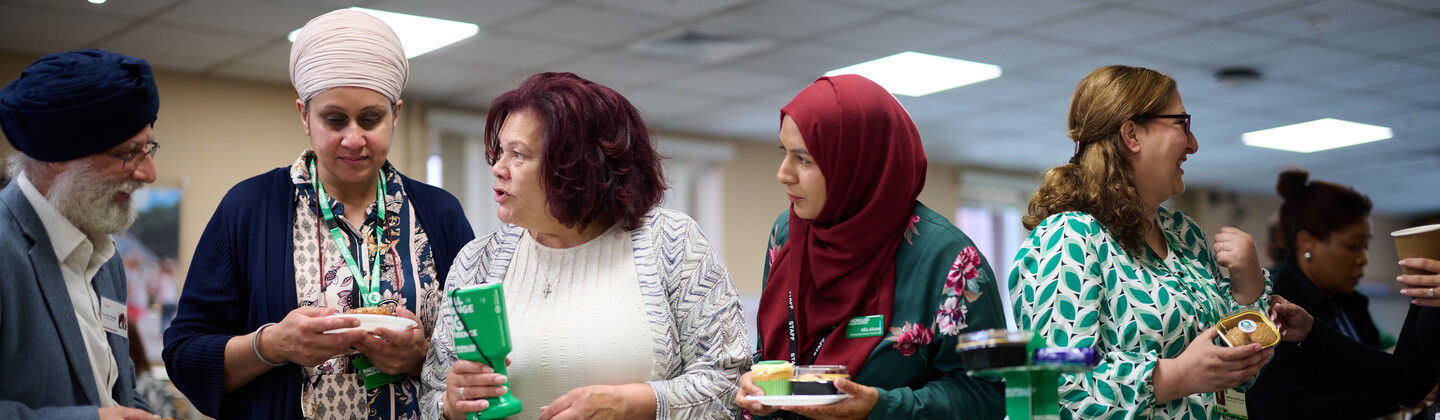
Understanding cancer misinformation and finding trusted information
Seen something about cancer online that's left you confused or worried?
You're not alone, and we're here to help.
On this page, we explain:
- how to check whether cancer information is reliable
- what to look out for in misleading or confusing claims
- where to find clear, trusted information you can rely on.
Why cancer misinformation matters
Every day, thousands of people can find misleading or incorrect information about cancer online, often without realising.
This can happen on search engines like 'Dr Google', social media and AI chat tools. Sometimes people share information because they are trying to help, but it may not be accurate or based on evidence.
Here is what we know:
- More than half of UK adults (58%) believe something about cancer that isn't true.
- Misleading information can increase worry and delay people seeing their doctor or getting treatment.
- Claims can spread quickly on social media, reach large numbers of people and it affects people of all ages.
Source: Over half a million young adults think cancer only really happens in old age
With more than 400,000 people diagnosed with cancer each year in the UK, clear and trusted information matters more than ever.
Find reliable information more easily
You can now add Macmillan as a preferred source on Google. Google will remember that you trust Macmillan and will be more likely to show you our web pages.
What are the warning signs that information may not be reliable?
Some types of information are more likely to be misleading or confusing. Look out for:
-
'Miracle cure' or 'wonder treatment' claims
These are designed to get attention but are rarely backed by evidence
-
Big claims without clear evidence
Reliable information should explain where the evidence comes from
-
One-sided or biased information
Think about why something has been shared. Is it trying to sell something or promote a viewpoint?
-
Personal stories used as proof
Everyone’s experience is different. One person’s outcome may not apply to others If something feels too good to be true, it probably is.
Watch this short film from PIF (Patient Information Forum) which shares more about the impact of misinformation.
Common cancer claims explained
You might have heard some of these things about cancer. Let's look at what's really true.
-
Does sugar 'feed' cancer?
This is one of the most common worries people have. There is no evidence that shows sugar directly increases the risk of cancer or encourages it to grow.
Read more about diet myths and cancer risk.
-
Does ivermectin treat cancer?
On the Joe Rogan Experience podcast, film star Mel Gibson spoke of friends who took the anti-parasitic drugs ivermectin and fenbendazole. But so far ivermectin has not been shown to be effective at treating cancer.
Read Professor Richard Simcock’s article Cancer and ivermectin: What people with cancer need to know.
-
Can mistletoe treat cancer?
You might have seen this shared online or heard about it from others. Currently there is no reliable evidence to show that mistletoe will treat cancer. Using mistletoe as an alternative to cancer treatments is not advisable.
Not sure what the difference is between alternative therapies and complementary therapies is?
Alternative therapies are treatments used instead of conventional cancer treatments. They may claim to treat or even cure cancer. But there is no scientific proof to support these claims. Alternative therapies are also known as alternative medicine.
Complementary therapies are treatments that people may use with, or as well as, conventional medical treatments. Complementary therapies should not claim that they can treat or cure cancer.
Learn more about complementary therapies.
-
Can I have beauty and skincare treatments after cancer treatment?
If you're considering starting or resuming beauty or skincare treatments after cancer treatment, we recommend speaking with your healthcare team first.
They can advise on whether a treatment is safe given your medical history, medications, and cancer care.
When choosing a practitioner, book a consultation beforehand and ask about their qualifications and experience.
We also offer support through specially trained No7 Boots Macmillan Beauty Advisors, who provide face-to-face guidance on caring for your skin, nails, and hair.
Read our article about beauty treatments after cancer for more detail.
-
What should I know about skin cancer?
If you are looking for information about skin cancer, you may have seen advice in many different places including Google, social media, videos or AI‑generated answers.
This page explains who can be affected, what to look out for, how to reduce risk, and where to find trusted support.
How can I check if cancer information is reliable?
Before trusting something you have seen online, it can help to use this simple checklist:
-
Is the source credible?
Look for recognised organisations such as the NHS, Macmillan, or other health charities.
-
Is there evidence?
Reliable content should link to research or explain how it’s reviewed.
-
Who created it and why?
Content from influencers, forums and AI-generated overviews are not always medically accurate or based on evidence.
-
Is it up to date?
Check review dates as cancer information changes. We have review dates on our cancer information so you can see when the content was last reviewed. Does it show a recognised quality mark?
Logos like the PIF TICK show that information meets a trusted standard.
Watch: 6 tips on how to find reliable health information online.
Can I trust information from AI tools and search summaries?
AI tools and search summaries can be helpful, but they do not always get things right.
They may:
- include outdated or inaccurate information
- use content from outside the UK
- combine reliable and unverified sources.
If you use AI tools:
- check any sources provided
- look for information from trusted organisations such as the NHS or PIF TICK websites
- speak to a healthcare professional if you are unsure.
How do we make sure our information is trustworthy
All of Macmillan’s cancer information is reviewed by medical experts and meets strict quality standards.
We're PIF TICK certified which means our health information has been carefully checked and approved. This means we can give you clear, evidence-based information you can trust.
Our cancer statistics fact sheet also gives you easy to understand facts backed by evidence.
How we can help you
You don’t have to go through confusing information alone. We're here to help you find the facts and answer your questions.
We offer:
Trusted information
Everything we share is checked by specialist cancer doctors and nurses.Our information is produced by a cancer information development team who are experienced in producing accurate and accessible information. We have more information about the team who write our information.
Information in different languages and formats
We have cancer information in different languages and accessible formats including audio, easy read and British Sign Language.
If you are worried or need to talk
Get in touch with our Support Line on 0808 808 00 00, 8am to 8pm, 7 days a week. You can talk to a cancer information nurse specialist to help you to understand information about diagnosis and treatment.
You can also email us or use online chat (click on the 'chat to us' button on our website).
Real stories: how people deal with misinformation
About our information
This information has been written, revised and edited by Macmillan's Cancer Information and Development team and our Digital Content Editor team. Learn more about how we produce our cancer information.
Accurate information helps you make informed choices. Rely on expert sources such as Macmillan Cancer Support, the NHS and your own healthcare team.
Date reviewed
Last updated: June 2026 | Next review: December 2028