


Variations in sex characteristics (VSC) and cancer
If you have a variation in sex characteristics, it is important to understand if and how this might affect your risk of cancer and the cancer treatment, healthcare and support you need.
What are variations in sex characteristics (VSC)?
Variations in sex characteristics is a medical term. It is also called VSC. It describes people who are born with sex characteristics that may not fit typical definitions of ‘male’ or ‘female’.
Sex characteristics include:
- the genitals
- the parts inside the body involved in sex and fertility
- physical changes that usually happen during puberty.
There are many types of VSC. Some variations are recognised at birth. Others only become noticeable at puberty or later in life. Some people may never know they have a VSC.
If you already know you have a VSC, this information may help you understand if and how it might affect your risk of cancer or your healthcare needs.
Some people only find out they have a VSC when being treated for another condition, such as cancer. This can be a lot to cope with at once. You are not alone, and your healthcare team are there to help. This page may also help you find information and support.
Variations in sex characteristics affect people of all sexual orientations and genders. Having a VSC does not determine:
- who you are sexually or romantically attracted to
- how you describe your gender.
Some people with a variation in sex characteristics identify as part of the LGBTQIA+ community and find support there. Others do not identify in this way. Everyone has their own experience and identity.
Other words and terms for VSC
Some people choose to use other terms, such as ‘intersex’ or ‘difference of sex development (DSD)’. There are also many medical terms for specific types of VSC, for example:
- congenital adrenal hyperplasia (CAH)
- androgen insensitivity syndrome (AIS)
- Klinefelter syndrome.
If you are looking for more information about types of VSC, InterACT offer an introduction in their Intersex Variations glossary.
Am I at higher risk of cancer because I have a VSC?
For many people with a VSC, the risk of cancer is no higher than for someone without a VSC. It may not increase your risk of developing cancer at all. But in some cases, there can be an increased risk.
For example, if you have:
- Klinefelter syndrome – this is linked to a slightly higher risk of breast cancer
- complete gonadal dysgenesis (CGD) – any gonadal tissue that has not developed into testicles or ovaries may have a risk of cancer.
Your healthcare team can explain what is currently known about the variation you have. If you have a higher risk of cancer, they can give you information about ways to manage this. This may include regular check-ups, being aware of symptoms and, sometimes, surgery.
Most people with VSC do not develop cancer. Many variations do not increase cancer risk. If you are worried, your healthcare team can help you understand your situation.
Related pages
Healthcare for people with VSC
Your healthcare team should offer you care, support and information that meets your needs. They should treat you as an individual and work with you in a way that respects your privacy and dignity.
Having a VSC should not affect this. But we know that people with a VSC may deal with extra challenges when trying to get the care they need.
You may have had treatments in the past that you did not want or fully consent to. These experiences can be distressing and may affect how you feel about healthcare now. It is important that your healthcare team understands this and works with you to plan your care in a way you understand and agree with.
You may have many other concerns about your healthcare:
- Lack of understanding – healthcare teams may not have experience, training or guidelines to follow when caring for people with VSC. They may make assumptions about your body or the care you need.
- Difficult conversations – it can be difficult to talk about private parts of your body or identity.
- Negative reactions – some people may respond insensitively or ask unnecessary personal questions.
- Previous treatments – if you have had surgery or hormone treatment for a VSC in the past, this may affect the care you need now.
- Delayed or overcomplicated care – if a healthcare professional is unsure how VSC affects the care they should offer you, they may get advice from a specialist. Sometimes this is important, but it is not always needed and can cause delays.
All healthcare professionals involved in your care should keep your information confidential. They should only share it with others when it is needed for your care.
They should involve you in decisions and give you any support you need to make the decisions that are right for you.
You can help your team by telling them:
- what words you use to describe your body and VSC
- if there are words or questions you find upsetting
- anything that makes healthcare difficult for you
- how they can make things easier for you.
Do I need cancer screening if I have a VSC?
Cancer screening uses tests to help find cancer early, or to find people who may need treatment to stop cancer developing.
It is important to know what types of screening are right for your body. The NHS offers routine screening for breast, cervical and bowel cancer. In some areas, there is also screening for lung cancer.
Invitations are usually based on your age and gender that is registered with your GP.
For people with a VSC, the invitations you get may not always match with the screening you need. If you are unsure or have questions about cancer screening, ask your GP or healthcare team.
If you have questions about which types of cancer screening you need, or if you are not invited automatically, talk to your GP or healthcare team. You have the right to have any screening that is appropriate for your body and medical history.
Breast cancer screening
You should consider going for breast screening if you have breasts. This includes if you have developed breasts through feminising hormone therapy.
Breast screening is automatically offered to anyone who is registered as female with their GP and aged between 50 and 70. If you have a strong family history of breast cancer, you may be offered regular breast screening before the age of 50. If you are over 70, you can arrange to continue screening through your GP.
If you are registered as male with your GP and have breasts, you can ask your GP to arrange screening for you.
Klinefelter syndrome
If you have Klinefelter syndrome, you are not included in the routine NHS screening programme. But you do have a higher breast cancer risk. Check your chest regularly and speak to your GP if you notice any changes. They can arrange tests if needed.
Cervical screening
You should consider going for cervical screening if you were born with a cervix and still have it. The cervix is the lower part of the womb (uterus) that joins to the top of the vagina.
Cervical screening is automatically offered to anyone who is registered as female with their GP and aged between 25 and 64.
If you are registered as male with your GP and have a cervix, you can arrange cervical screening in the following ways:
-
If you live in England and Wales
Talk to your GP. If you want ongoing screening appointments and reminders, ask them about opting-in for this. If you have arranged a screening appointment, you can also ask about opting-in at your appointment.
-
If you live in Scotland
You will be automatically invited if you have not changed your CHI number, or if you changed it after 14th June 2015. Talk to your GP if you changed your CHI number before this.
-
If you live in Northern Ireland
Talk to your GP for more information about arranging the screening you need.
Cervical screening is important for anyone with a cervix who has ever:
- been sexually active, whatever their sexual orientation
- put anything inside their vagina, including fingers and tampons.
If you have a cervix but a VSC means it is physically difficult for you to have a regular cervical screening test, talk to your VSC specialist or GP. They can give you information about cancer risk and ways of managing this.
Opting out of cervical screening invitations
If you do not have a cervix and are registered as female with your GP, your GP can make a request on the screening system to stop sending you screening invitations. If you have appointments with a VSC specialist, they can contact your GP recommending this.
Bowel cancer screening
Bowel screening is offered to everyone registered with a GP. You will be sent a home screening test for bowel cancer in the post. You will get the first one when you are aged between 50 and 60. The exact age depends on where you live in the UK.
Lung cancer screening
Lung cancer screening is not yet available in all areas of the UK. In some areas of England, you will be sent an invitation for screening if you are registered with a GP, and you:
- are between 55 and 74 years of age
- smoke or used to smoke.
The NHS has more information about lung cancer screening in England.
Prostate cancer screening
There is no screening programme for prostate cancer in the UK. A blood test called the PSA test can be used with other tests to help diagnose prostate cancer. But it is not routinely used to screen for prostate cancer.
If you have a prostate, you can ask your GP for a PSA blood test if you are aged over 50, or if you:
- are Black
- have a family history of prostate cancer
- have a BRCA2 gene change.
There are benefits and disadvantages to having a PSA test. Your GP will talk to you about these before you have a test.
Getting the right support
Whether you are worried about cancer, affected by a VSC, or navigating healthcare, the following organisations may help you find information, share experiences, and get support:
- Interconnected UK – offers peer support and a safe space for people with VSC/intersex traits and their loved ones.
- DSD Families – provides information and support for families and young people with differences in sex development.
- Living with CAH – provides information and community for people with congenital adrenal hyperplasia.
- Klinefelter’s Syndrome Association (KSA UK) – offers support and resources for people with Klinefelter syndrome.
- MRKH Connect – offers support for people with Mayer-Rokitansky-Küster-Hauser (MRKH) syndrome.
- Turner Syndrome Support Society (UK) – offers support for people with Turner Syndrome.
Related pages
Booklets and resources
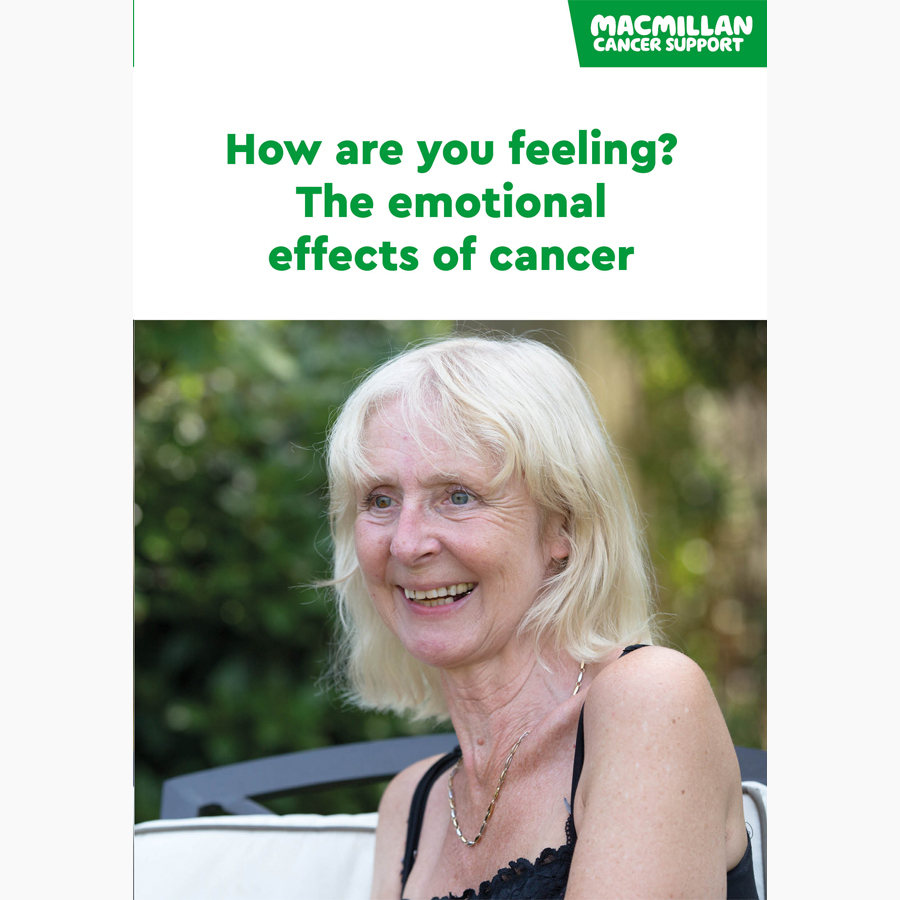
VSC and the LGBTQIA+ community
The term intersex is often included in definitions of the LGBTQ+ abbreviation. Sometimes as the ‘I’ in LGBTQIA+.
Variations in sex characteristics affect people of all sexual orientations and genders. Having a VSC does not determine:
- who you are sexually or romantically attracted to
- how you describe your gender.
Some people with a variation in sex characteristic identify as part of the LGBTQIA+ community and find support there. Others do not identify in this way. Everyone has their own experience and identity.
People with a VSC may face challenges that are also experienced by some LGBTQIA+ people, including:
- exploring and understanding identity
- coming out to friends, family or healthcare professionals
- coping with lack of understanding or unfair treatment
- finding healthcare that is right for you.
If you identify as LGBTQIA+, or want to learn more about the community and support available, we have information about:
Macmillan’s Online Community offers a safe space to ask questions, share experiences and emotions. You can visit the LGBTQIA+ group or explore all the cancer support forums.
This information was developed in partnership with OUTpatients. OUTpatients is a cancer support and advocacy charity for the LGBTIQ+ community. They provide a safe space for anybody who identifies as part of the queer community including people who are intersex.
About our information
This information has been written, revised and edited by Macmillan Cancer Support’s Cancer Information Development team. It has been reviewed by expert medical and health professionals and people living with cancer.
-
References
Below is a sample of the sources used in our information for people with a variation in sex characteristic. If you would like more information about the sources we use, please contact us at informationproductionteam@macmillan.org.uk
Monro, S., Wall, S. S., & Wood, K. (2023). Intersex equality, diversity and inclusion and social policy: Silences, absences, and erasures in Ireland and the UK. Critical Social Policy [Internet]. 2024; 44(1): 3-22. www.doi.org/10.1177/02610183231175055 (accessed October 2025).
Zeeman L, Aranda K. A systematic review of the health and healthcare inequalities for people with intersex variance. International Journal of Environmental Research and Public Health [Internet]. 2020;17 (18):6533. www.doi.org/10.3390/ijerph17186533 (accessed October 2025).
Zitzmann M, Aksglaede L, Corona G, Isidori AM, Juul A, T'Sjoen G, et al. European academy of andrology guidelines on Klinefelter syndrome: endorsing organization: European Society of Endocrinology. Andrology [Internet]. 2020; 00:1-23. Available from: www.doi.org/10.1111/andr.12909 (accessed October 2026).


Date reviewed
Our cancer information meets the PIF TICK quality mark.
This means it is easy to use, up-to-date and based on the latest evidence. Learn more about how we produce our information.