There’s good evidence that physical activity, such as gentle strengthening exercises combined with some walking, can help to reduce the symptoms of fatigue. Being active may help to boost your appetite and give you more energy. It can also improve your general well-being, so it’s important to try to exercise a bit, even if you don’t feel like it. It’s best to try to get a good balance between being active, exercising and getting plenty of rest.
Before you start to do any physical activity or increase the amount you do, it’s important to get advice from a healthcare professional.
You may be a little bit nervous about getting started – that’s understandable. It’s best to choose an activity or exercise that you enjoy. Try to maintain the amount of activity you do.
However, if you have fatigue, this may not always be possible. Remember that some exercise is always better than no exercise. Simple goals, such as walking from the front door to the back door, may be an achievable goal for you. But try to increase your level of activity and build up the amount of exercise you do a bit at a time.
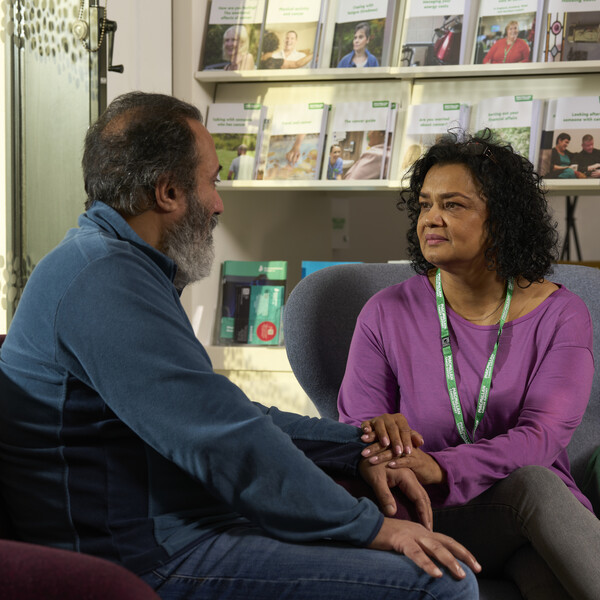
Your cancer specialist or GP can advise you on the type and amount of activity that’s safe for you. It’s also important to discuss any other medical conditions you have, such as high blood pressure, diabetes or lung problems, as these may be affected by physical activity.
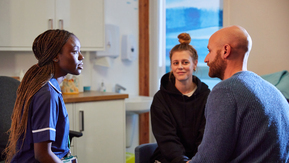
You might find it helpful to get advice about exercise from a specialist cancer physiotherapist. Your GP or cancer specialist can arrange a referral for you. A physiotherapist can help you:
- build up your physical fitness
- improve your energy, strength, joint range, coordination and balance
- manage the side effects of treatment
- set some realistic goals for keeping active.
The physiotherapist may suggest referring you for a supervised group exercise programme. These groups are run by healthcare professionals or experienced fitness trainers. Many people find the social side of being in a group enjoyable, and it may also help give you a bit more motivation to exercise.
General suggestions for exercise
- It’s helpful to set yourself some personal goals using the simple steps below. Try not to do too much, too soon.
- Plan some activity or light exercise into your day.
- Try some regular, light exercise, such as walking, and simple strengthening exercises like standing up and sitting down. These have been shown to reduce fatigue, and can help some people sleep better.
- Exercises such as yoga, qigong, pilates and tai chi may be particularly good, as they involve gentle movement, stretching, breathing and balance.
- Select exercise that you enjoy.
- If exercise is impossible, try to stay active in your daily routine.
- Pay attention to how your body reacts to activity and exercise. How did you feel? How well did you sleep afterwards?
- Drink plenty of fluids before, during and after exercise.
- Keep a record of your activities so that you and your healthcare team can monitor your progress. You could write them down in a fatigue diary.
- Allow your muscles time to recover after activity by balancing activity with rest.
- Don’t exercise if you feel unwell, are in pain or have any other symptoms that worry you, such as feeling breathless. Let your doctor know if you feel unwell or have worrying symptoms.