A day in the life of the national nursing clinical adviser for primary care at Macmillan
Meet Callum
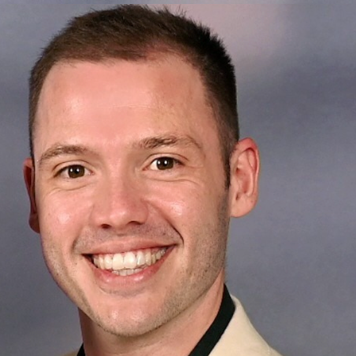
I am Callum – and I have recently joined Macmillan as the national nursing clinical adviser for primary care, and you may be asking what role is this?
Well my role sits within the Centre of Clinical Expertise to provide a voice on nursing and allied health professionals for all things primary care.
My background over the last 10 years has predominantly been in primary care, with a mixture of clinical, private healthcare and leadership roles. Outside of my role here at Macmillan, I also still work clinically in primary care in Norfolk as an Advanced Nurse Practitioner specialising in diabetes and long-term conditions. Also, I work for the Royal College of Nursing as the UK Professional Lead for Long-Term Conditions covering the cancer portfolio – so my weeks are certainly quite busy! But let’s take a look at my clinical practice day in more detail.
Primary care clinics
I usually start my day at the practice liaising with our diabetes and lipids management team, to understand how our waiting lists are looking and if any urgent queries have been received since my last clinic. This can include any urgent blood results, medication queries, any questions received from other clinicians and how we are faring compared to the Quality Outcome Framework (a voluntary annual reward system for GP practices in England).
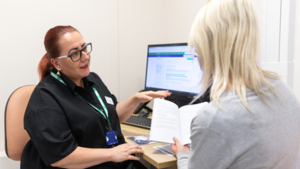
After answering likely a few emails and tasks received from the practice team, I move into clinic sessions often between 15-30 minutes supporting patients living with conditions such as diabetes, obesity, cardiovascular disease and hypertension. As an Advanced Nurse Practitioner, I autonomously assess, prescribe and decide treatment thinking holistically how we can support patients from a biopsychosocial perspective. Often conversations include supporting patients around healthy lifestyle and diet choices, what treatment options are available to support their condition and mental wellbeing around living often with multiple long-term conditions.
I am very grateful for the rapport and relationships I can build with patients over a period of time, an area of primary care that I enjoy so much!
What about those living with and beyond cancer?
Whilst my role may not seem directly cancer care related, often I am supporting patients living with and beyond cancer who are also living with multiple long-term conditions. For example, I’ve recently supported a patient living with breast cancer who has newly diagnosed type 2 diabetes secondary to steroid use throughout her treatment (this is because steroids cause insulin resistance, thus elevating blood glucose levels).
From this consultation, both the patient and I had to balance treatment options alongside cancer related treatment side effects and appointments to maximise outcomes. Shared decision making is so crucial in this context, as working with patients to understand their wants and needs whilst balancing clinical requirements helps improve patient satisfaction.
It is important as we know to remember that living with and beyond cancer presents some challenges, but adding a long-term condition on top of this can increase that physiological and psychological burden. But through shared decision making, personalisation of care, promoting continuity of care and appropriate follow up – support and wellbeing can be provided. However, this should not be in isolation, as a multidisciplinary team approach is extremely useful for that wrap around support.
Often within my practice I am helping patients think about accessing mental health and wellbeing support with our local mental health practitioners, how they can improve both their social and potential financial wellbeing through talking with our social prescribers, and supporting any physical related concerns that may impact on exercise and movement through joint discussions and appointments with the physiotherapists.
Often due to time constraints within a 15-minute appointment, having opportunities for patients to seek advice and support from a variety of different professionals can enhance positive outcomes and promote longstanding wellbeing. This opportunity within primary care can truly promote positivity amongst those living with and beyond cancer and multiple long-term conditions.
Outside of clinics – what else is happening?
Whilst my time in primary care is predominantly spent in a clinic room consulting with patients, I am also supporting with education, audit and mentoring where possible to enhance the quality of care we can provide.
I am extremely lucky to work in such a supportive practice, where truly the role of nursing and allied health professionals are valued and allowed to be clinically curious. By this I mean that we can come together as team to think of new and potential better ways of working and given time and support to see how we can make this happen. One recent area includes the education offer we provide for those newly diagnosed with diabetes, updating our education resources and standardising conversations to ensure all patients receive timely and accurate information to support their diagnosis.
You may also find me providing updates on a clinical topics around diabetes and long-term conditions in the practice’s protected learning time or encouraging nursing staff to sit within my clinics to enhance their knowledge and understanding by asking questions directly. Primary care offers so much, and for those living with and beyond cancer with multiple long-term conditions, help is available where needed.
At the end of the day
Once clinics have finished, you may often see me going back over notes possibly from particularly complex consultations, to ensure that all actions have been completed.
I will also use my end of day administration time to complete any outstanding referrals and review any urgent tasks that I may have received during the day. My days go quick and often having analyse lots of information in a short period of time, so my drive home allows me to decompress and reflect on the positives, or possible negatives, of the day.
However, what I do know is that whilst primary care may seem stretched, the service provides safety critical care across the variety of different professional backgrounds – and for those living with and beyond cancer, often the first place of call should any concern arise.
Stories And Media
-
Blogs 01 Jun 2026This blog is an opportunity to demonstrate Macmillan’s engagement with research particularly in terms of listening to the experiences of patients and staff and making healthcare improvements.
-
Blogs 13 Apr 2026In this blog Rebecca invites health care professionals to explore how centring cultural responsiveness and trauma informed practice can reshape our approach to care and create safer and more equitable...
-
Blogs 22 Dec 2025June explains why prehabilitation matters and how Macmillan’s Prehabilitation for People with Cancer: Clinical and Implementation Guidelines can support implementation in practice.