


Macmillan HOPE programme
HOPE is a free six session self-management programme delivered by Macmillan and Hope For the Community CIC (H4C). It is designed to help you develop ways to manage several aspects of living with cancer.
Find out more about the programme and how to apply.
What is the HOPE programme?
This 6 session programme has been co-designed alongside people living with cancer, and is based on positive psychology, mindfulness and cognitive behavioural therapy.
It covers topics like:
- Fatigue management
- Stress management
- Healthy eating
- Physical activity
- Mindfulness
- Goal setting
- Identifying personal strengths
- Gratitude diaries
- Challenging unhelpful beliefs.
Online HOPE programme
There are 2 different ways to take part in the online HOPE Programme. Both options contain the same content and materials which you can work through at your own time and pace.
This programme is online, to take part you will need to create a login, click through content, play short videos and post comments. Guidance will be available to help you use the programme.
Self-directed online HOPE programme
This is an independent programme which allows you to go through the course in your own time. Once you sign up, you can start this flexible programme immediately.
H4C will provide technical support during the programme, this can be accessed through the platform.
This programme is designed to be an independent programme, however if you feel like you need any additional support don’t forget you can speak to your specialist team, your GP or your local cancer information and support centre.
Facilitated online HOPE programme
This is a flexible peer-supported programme, where you can practice new techniques in a supportive environment with others. Share goals and gratitude while exploring experiences with others on the programme.
You will learn new techniques and strategies within a supportive environment amongst peers and facilitators. Our facilitators work at Macmillan and will respond to posts, discussion topics, goals and gratitudes.
Next available course date for the facilitated online programme:
Monday 2nd November.
Sign up to online programme
"It has been life changing - emotionally, physically and mentally. To some extent I feel everything has changed." - Online HOPE programme participant
Join the programme that works best for you by clicking on the button below and completing the sign up form.
In step 2 of the form, you'll be asked to choose your preferred programme: Online HOPE or Self-Directed HOPE. After you've made your selection, you'll receive information and instructions tailored to your chosen programme.
Face to Face HOPE programme
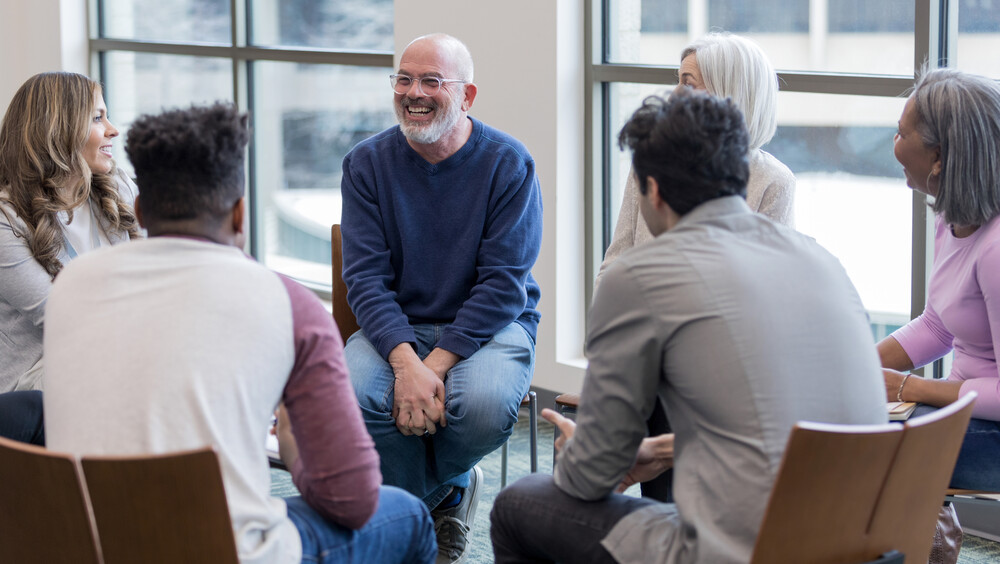
If you would prefer face to face support, there are HOPE programmes which take place in local community venues. They bring together people living with and after cancer to work through the programme in person.
Across the six sessions, the group explore content together, share their experiences, and try techniques and strategies in a supportive group environment. This in person programme builds on connection, confidence and encouragement as people progress through the programme.
To find out if a face to face programme is available in your area, please use our postcode search to find your nearest programme or email ServiceOpsSupport@macmillan.org.uk.
Stories from people who took part in the HOPE programme


Frequently asked questions
-
What is the commitment?
If you are doing the facilitated online programme, we ask that you commit a minimum of 2 hours per week, at a time to suits you. You will need to have access to the internet via smartphone, tablet or PC.
If you are doing the online self-direct programme, you will be able to work through the weekly materials in your own time at your own pace.
If you have joined an in-person programme, the facilitator of the programme will inform you of time commitments.
-
Who can take part in the HOPE programme?
The HOPE programme is for anyone aged 18 or over, who is living with cancer or has previously received a cancer diagnosis.
-
How do I sign up?
Self-directed or Facilitated online HOPE programme
Fill in our registration form to take part in the online HOPE programme.
Face to face HOPE programme
Use our postcode search to find your nearest in person HOPE programme or email ServiceOpsSupport@macmillan.org.uk.
Other ways we can support you


Support if you have finished treatment
We are here to help you cope with life after cancer. We have information on follow-up care, managing side effects after treatment and where you can find support.