

Macmillan Q Lab: reimagining holistic cancer care closer to home

Our own lab on holistic cancer care
That’s why Macmillan is partnering with Q Lab, hosted by NHS Alliance, to run our own lab on what holistic cancer care should look like, and what is needed to make it happen everywhere.
When cancer care doesn't join up
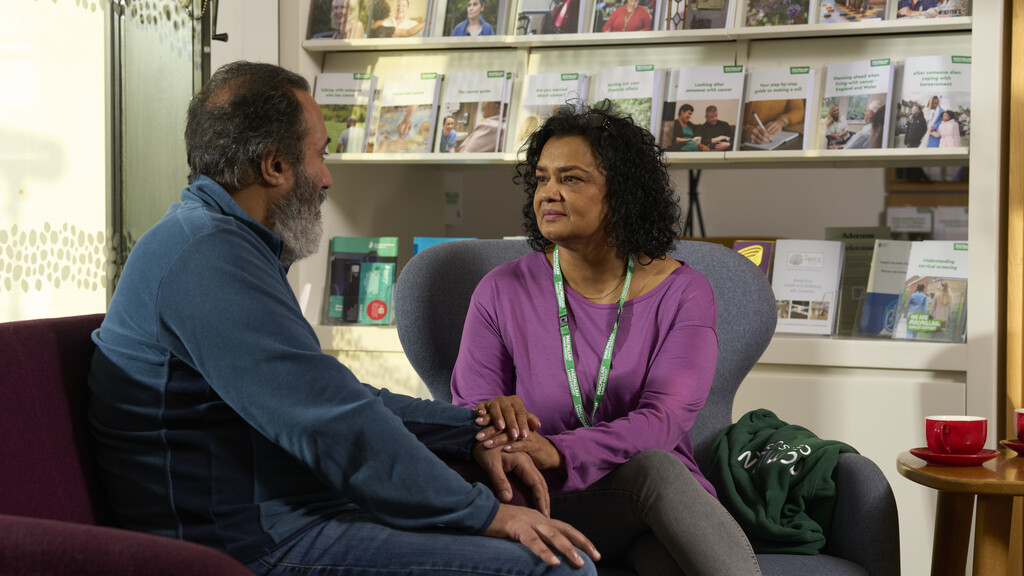
Separate scans scheduled at exactly the same time by different departments. Having to chase test results or appointments. Retelling your story every time you meet a new healthcare professional. Only discovering months into treatment that support was available to help with side effects or the mental health impact. Or feeling entirely alone because of missed opportunities to connect you with support in your community.At Macmillan, we often hear different versions of the same question: why am I expected to be a cancer care manager, when I'm the one going through cancer?
When we hear about experiences like these, our instinct is often to look for what's missing and design or adapt a cancer service to fill the gap. Sometimes that is exactly what is needed. But it doesn't always address what people are actually experiencing, which is often a disconnect between different parts of their care, rather than simply a missing service.
All the things needed at one of the most difficult moments in people's lives need to work together. Instead, they can feel like they're pulling in different directions. Services don't always talk to each other, opportunities to connect people with support are missed, and too often the person in the middle is left trying to join everything up themselves.
Looking at the whole problem
This creates a difficult balancing act for charities like Macmillan. There will always be times when it's right for us to step in where people aren't getting the support they need. But we also need to think about where we can have a bigger impact. The sector is often at its best when it is helping public services, professionals, local organisations and communities connect what is already there and make it work better around people's lives.Doing that means understanding the whole problem. A service manager might see the pressures and processes within a service, while a healthcare professional sees what happens in a consultation. A community organisation may understand the barriers of someone not being able to access support, or where trust has broken down. And the person living with cancer knows what it actually feels like when all of those different parts are expected to work together.
Some of the most interesting ideas come when those perspectives meet – seeing the relationships between these barriers and opportunities and identifying where we can ‘rewire’ the connections between them, around the person navigating them.
Creating the conditions for change
We also need to think differently about what we do when we find something that works. It's understandable that when we see a successful approach in one place, we immediately start thinking about how we can replicate it somewhere else. But solutions to complex challenges can't be copied and pasted from one community to another.It's why we sometimes use gardening as an analogy when talking about this work. If a plant is thriving in one garden, you can't assume you can move it into completely different soil and conditions and expect the same result. You need to understand what allowed it to grow in the first place.
The same applies here. Rather than only asking how we replicate a successful service or approach, we need to think about how we create the conditions that allow good solutions to develop locally; the relationships, knowledge, trust, resources and involvement of the people who will use and deliver them.
Starting with a question, not an answer
That's why the idea of a lab feels appropriate.
Scientists don't go into a laboratory knowing exactly what the answer will be. They start with a question, test ideas, learn from the results, and refine their thinking.
So, this is why we've partnered with Q, hosted by the NHS Alliance, to bring that same mindset to the Macmillan Q Lab.
We're starting with one question: How might we collectively reimagine holistic cancer care closer to people's homes?
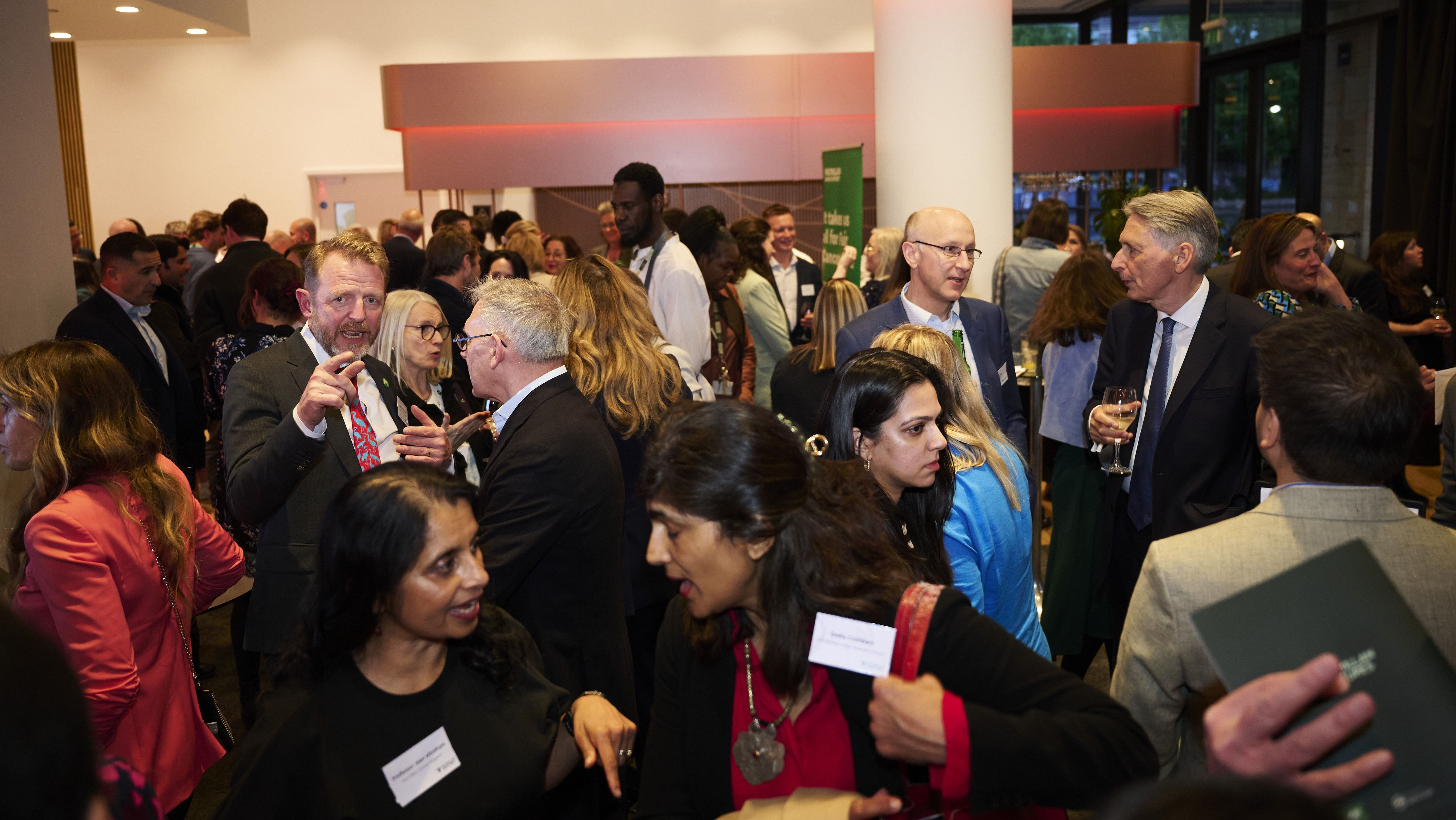
We're not looking to develop one solution that can then be rolled out everywhere. The Lab will bring together people who see different parts of the challenge, including community organisations, social prescribers, service managers, healthcare professionals and people with lived experience, to explore what better cancer care could look like in their communities and test their thinking in practice.
For Macmillan, this is a central part of our wider work on neighbourhood health and how we think cancer care needs to change. We want to see care and support that is more connected, personal and closer to home, bringing together health services, local organisations and communities around what people need. The Macmillan Q Lab is one way we’re exploring how to make that happen in practice. It's not just about creating new services to fill gaps. It's about understanding why the different parts of someone's care aren't always working together and creating the conditions for people locally to develop something better.
Find out more about the Macmillan Q Lab and how to get involved.
About the author
Steven McIntosh
Read more
-
News and stories 21 May 2026Michael talks about his excitement at the launch of Macmillan Ventures, and how the new fund will help push the boundaries of what is possible for cancer care in the UK.
-
News and stories 20 Feb 2026The idea of a neighbourhood health service seems to be mentioned everywhere. But what does it mean and why does it matter to Macmillan?