
Why the clinical nurse specialist role matters now more than ever
Each year, National Cancer Clinical Nurse Specialist (CNS) Day brings us together to shine a light on a group of professionals whose impact is often felt far more than it is seen.

Their contribution was strongly reaffirmed in the recent National Cancer Plan for England, which pledged that everyone living with cancer should have access to a dedicated clinical nurse specialist, recognising just how essential the CNS role has become. But as we look ahead, why does this role matter more in 2026 than ever before?
Clinical Nurse Specialist Support
Every 75 seconds, someone in the UK (i) will hear the words that can change their life forever: “You have cancer.” Behind those words there may be shock, fear, and a thousand unanswered questions.
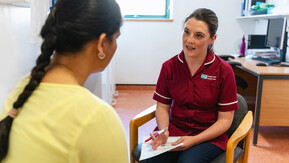
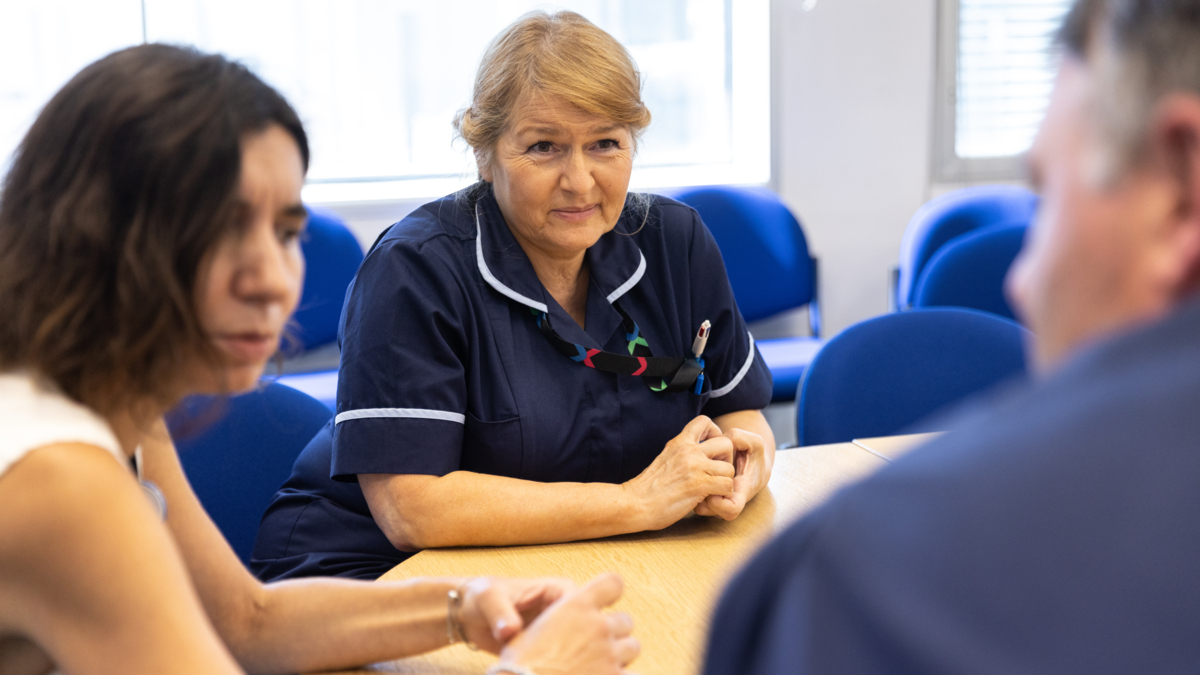
And up and down the country, the person who helps make sense of that moment is more often than not a Cancer Clinical Nurse Specialist.
So why is it that CNSs are regularly asked to prove their worth, submit business cases and conduct time and motion studies to justify their roles?
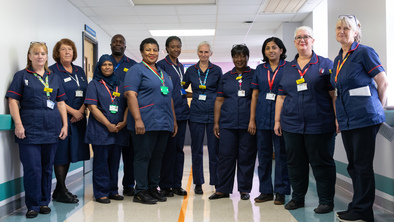
I hear regularly from CNSs who are repeatedly asked to explain what they do. I can’t help wondering why the importance of the role these professionals play in cancer care, all the way through from prevention and screening, to treatment, survivorship, and palliative care, is not more widely accepted. For anyone in doubt, there is a wide range of insight and evidence that demonstrates just how essential these specialists prove to cancer care.
The evidence
The impact that CNS have on somebody’s experience has never been clearer. For example:
- Feedback given via the national Cancer Patient Experience Survey (CPES) in England shows that patients consistently value CNSs for their kindness, clear information, ability to coordinate care, and the emotional support they provide (ii). Previous analysis of CPES results has also shown that having a main point of contact, who is usually a CNS, is one of the biggest factors in whether someone has a positive experience during their cancer care (iii).
- Every day at Macmillan, we hear praise from people who say their CNS made a huge difference – by listening to them, helping them feel cared for, giving practical advice about managing symptoms, improving how smoothly their treatment went, or explaining complicated treatment options in a way that made sense. This isn’t luck – this is skilled, specialist support.
- A recent evaluation of the Macmillan CNS Workforce Development Programme in the Northeast and Yorkshire also showed the clinical teams involved felt CNSs brought real benefits to their services and helped make the local workforce more sustainable.(iv)
The reason CNSs make such a difference is simple: they help patients understand their treatment, make sure everything is coordinated, and step in when something needs attention (v). In the recent National Cancer Plan for England, Clinical Nurse Specialists are called out as a central pillar in helping patients navigate their diagnosis, treatment and recovery after cancer. Part of what makes them so vital is that they help people living with cancer feel heard, asking what matters to them and ensuring that their needs and preferences are at the heart of their care. They fill gaps in understanding, push for timely action, and guide patients through what can be an overwhelming experience.
There is now strong evidence that access to a CNS is associated with better health outcomes. A major study in 2024 of more than 99,000 people with colorectal, breast, lung and prostate cancers found that patients who were not given the name of a CNS had a higher risk of dying from three of these four types of cancer — for example, a 40% higher risk in colorectal cancer (vi).
There is also good evidence that CNSs deliver value for money. For example, one UK study showed a CNS-led clinic for colorectal cancer was a cost-effective way to monitor the risk of recurrence (vii), offering high-quality follow-up care and reassurance to patients while helping make the best use of limited NHS budgets.
"Now is the time to celebrate them, invest in them, and ensure their expertise continues to transform cancer care for years to come."
National Cancer CNS Day 2026
While we acknowledge the extraordinary contribution of these professionals on National Cancer CNS Day, it is crucial that we support the CNS workforce and invest in their skills and training to ensure people living with cancer get the best possible care, when they need it. By recognising the expertise of CNSs, protecting their time, and ensuring services are supported appropriately, we can ensure their expertise continues to transform cancer care for years to come.
National Cancer CNS Day is a chance to say thank you, raise awareness, and inspire others to join this incredible profession. Please join us on 16th March to celebrate the vital work CNSs do. Share your support on social media using #NationalCancerCNSDay.
-
References
(i) Figure derived from the sources below. Includes all malignant neoplasms excluding non-melanoma skin cancer (NMSC) (ICD-10 codes C00-97 excl. C44. Scotland does not use C97):
- NHS England
- Public Health Scotland
- Public Health Wales
- Northern Ireland Cancer Registry, Queen’s University Belfast(ii) NHS England. National Cancer Patient Experience Survey 2024: National Qualitative Report. Accessed March 2026
(iii) NHS England/Picker. National Cancer Patient Experience Survey 2022: Key driver analysis for a high rating of care. May 2024. Accessed March 2026
(iv) West Yorkshire and Harrogate Cancer Alliance. The Northeast and Yorkshire (NEY) Macmillan Clinical Nurse Specialist (CNS) Workforce Development Programme (WDP) Evaluation Report. 2026. Accessed March 2026
(v) Charalambous A, Wells M, Campbell P et al. A scoping review of trials of interventions led or delivered by cancer nurses. Int J Nurs Stud 2018; 86: 36-43.(vi) Alessy SA, Davies E, Rawlinson J, et al Clinical nurse specialists and survival in patients with cancer: the UK National Cancer Experience Survey. BMJ Supportive & Palliative Care 2024; 14: e1208-e1224.
(vii) Jeyarajah S, Adams KJ, Higgins L et al. Prospective evaluation of a colorectal cancer nurse follow-up clinic. Colorectal Dis 2011; 13: 31-38. doi: 10.1111/j.1463-1318.2009.02027
Stories And Media
-
Blogs 04 Jun 2025A practical guide for healthcare professionals on understanding and supporting the diverse spiritual needs of cancer patients to enhance holistic, patient-centred care.
-
Blogs 25 Mar 2024In the final instalment of this series, Chief Nursing Officer Dr Claire Taylor MBE and Macmillan Lead Cancer Nurse Fungi Motsi, discuss the challenges and experiences for women in leadership in...