When a Macmillan t-shirt makes you think
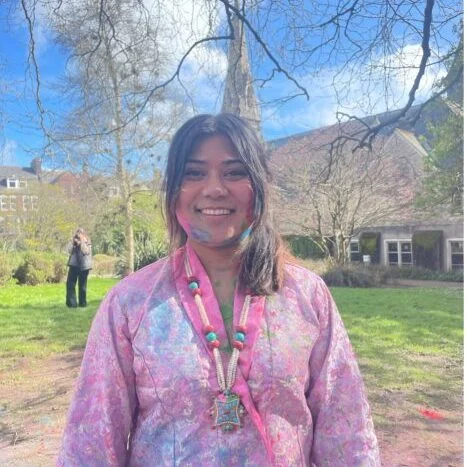
Introducing Plymouth Cancer Champions Project
Not long ago, I came across an Instagram reel of a Nepali couple living in the UK recreating kodo ko jaad, a traditional fermented drink. What caught my eye wasn’t the recipe, it was what the man was wearing, a Macmillan Cancer Support t-shirt.
He almost certainly wasn’t wearing it as a statement. It was just a piece of clothing. But that small moment stayed with me because it captures something I’ve spent the last two years trying to understand. What cancer support means, or doesn’t mean, to different communities.
When I began my role as Community Engagement Lead on the Macmillan-funded Plymouth Cancer Champions Project, I would often wear a Macmillan t-shirt when attending community groups.
I noticed quickly that members of some predominantly white groups immediately recognised the logo and connected it with cancer support. Many people from minoritised ethnic communities did not. That gap in recognition pointed to something much deeper - a gap in awareness, trust, and access.
Cancer is not a topic people want to talk about
Over two years of community engagement across Plymouth, one finding has stayed consistent, cancer is not a hot topic in many minoritised ethnic communities. People don’t necessarily want to discuss it and, in some cases, actively avoid it.
A woman of Romanian heritage admitted she had avoided meeting me for nearly two years simply because her community is uncomfortable with the topic.
At one community session, a Portuguese-speaking participant was willing to be present while cancer was discussed but did not want to speak about her cancer experiences.
A Black British woman in a community pointed out a cultural contrast, that openness about cancer experiences tends to be more common in white communities than in her own.
I’ve met a man of Iranian heritage who gestured rather than say the word “bladder cancer” aloud. I’ve had a member of a British Bangladeshi community whisper a breast cancer diagnosis so softly it was almost inaudible, checking no one was nearby first.
A woman of Zimbabwean heritage shared that almost nobody in her life, not even her neighbours knew about her diagnosis, fearing the gossip and isolation that a cancer diagnosis can bring within some close-knit communities. She had heard of someone who had to leave Bristol after being socially abandoned following their own diagnosis.
These are not isolated moments. They reflect something real and important about how cancer is understood and how it must be approached in communities where stigma, fear, and cultural silence are part of the picture.
Awareness gaps and misconceptions
Alongside the silence, I’ve encountered striking misconceptions.
A taxi driver told me that cancer is “a white man’s disease.” A woman at a health event declared that her community simply doesn’t get cancer.
A group of women at the British Red Cross believed microwave food and junk food were the causes. A young woman in a mosque believed cancer was communicable.
Residents of a Chinese care home suggested they were too old and no longer intimate, so cancer couldn’t affect them.
The majority of people I've worked with had never heard of Macmillan Cancer Support. They didn’t know there was information available in non-English languages or that support exists for anyone affected by cancer, not just those diagnosed.
When asked who they would contact first if they suspected cancer symptoms, the answer was almost always the same. “I don’t know.” Many were unaware that their GP is the first point of contact.
When culture shapes healthcare decisions
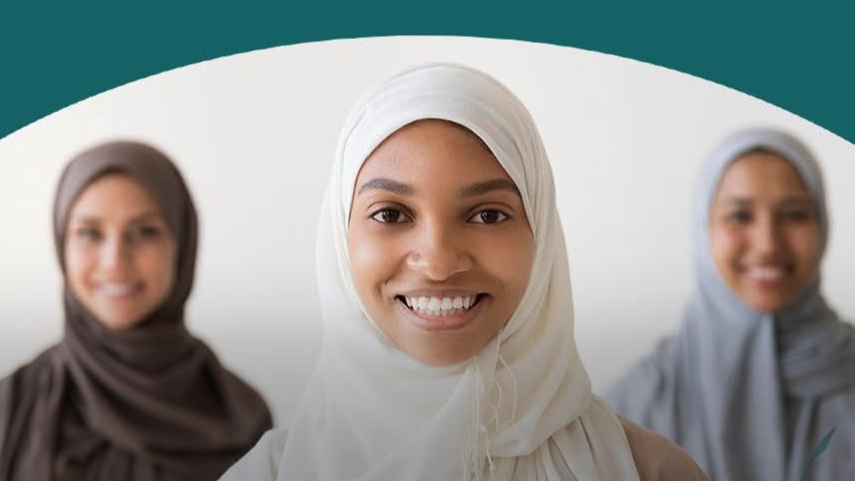
Some of the most important conversations I’ve had have been with Muslim women, in mosque sessions and women’s groups about cervical cancer screening. Evidence already points to lower uptake of cervical screening in Muslim communities, and these conversations helped me understand some of the reasons why.
For some young women, religious and cultural expectations around physical intimacy before marriage mean they feel unable to attend a smear test. Some mothers described not encouraging their daughters to go, expecting them to do so only after marriage. These are deeply held beliefs, and they deserve to be understood, not dismissed.
Equally significant is the experience of receiving a screening letter and not knowing what to expect from it.
At one mosque session, a young woman shared that her screening invitation had left her anxious and confused, she hadn’t known what the appointment would involve or that she could request additional support, including a female healthcare professional.
When this was discussed in the group, something encouraging happened, another young woman offered to accompany her to the appointment.
The women in that session also spoke about the need for cultural competency in medical practice. How much it would help if healthcare professionals better understood the expectations, anxieties, and cultural and religious needs that migrant and Muslim women bring to clinical settings.
This wasn’t a complaint. It was a constructive, thoughtful observation from women who want to engage with health services but need those services to meet them where they are.
What has worked and why
None of this work has been straightforward. Two years in, I feel like I'm barely scratching the surface. But progress has been made, and it’s been built on a few clear principles. The most important is this, I go to people. I don’t wait for them to come to me.
Wherever communities gather - churches, mosques, community centres, grocery shops, cultural events, coffee mornings, support groups, to name a few, that’s where I show up. Most conversations don’t start with cancer, and they don’t have to. What matters is that they often end there.
The project applies an Asset-Based Community Development (ABCD) approach, which has allowed me to work alongside organisations, community builders, and individuals already embedded in these communities building on what already exists rather than imposing something new.
Trusted relationships with key community members have been essential. Without them, many of these conversations would never have happened. The project is also explicitly a test-and-learn model, which has given me the freedom to try, fail, adapt, and try again. That flexibility has been crucial.
What comes next
This work matters because health is deeply cultural. The way people understand illness, seek support, and talk about diagnosis is shaped by community, history, and lived experience.
Cancer services designed for one set of cultural assumptions will not automatically reach everyone. What the past two years have reinforced for me is that awareness cannot be assumed, but it can be built, carefully, community by community, conversation by conversation or sometimes, one careful word at a time.
More about the project
Plymouth Cancer Champions Project is a three-year project funded by Macmillan Cancer Support and hosted by Zebra Collective, in partnership with Age UK Plymouth and the Wolseley Trust Social Prescribing team.
The project was created to help tackle the inequalities that can delay cancer diagnosis, including low awareness, digital exclusion, transport, literacy and financial barriers.
By working alongside local communities, we raise awareness of cancer signs and symptoms, encourage screening and early diagnosis, and connect people with the information and support they need.
Want to learn more or become a Cancer Champion? Get in touch at pccp@zebra.coop or connect on Facebook.
About our information
This information has been written, revised and edited by Macmillan's Digital Content Editor team and checked by Macmillan's Cancer Information Development team.
Learn more about our Digital Content Editors and how we produce our cancer information.
Read more
-
Blogs 29 Apr 2025In this blog, we discuss ways people with cancer can get support to meet their spiritual needs and how to have conversations about your spirituality, religion and faith with your health care team.
-
Blogs 02 Jun 2025Learn more about Safeena, a Muslim-focused cancer support organisation founded in 2023. They are helping to provide culturally sensitive and faith-informed support for people affected by cancer.
-
Blogs 24 Apr 2026Find local cancer support services near you with our simple online search. From emotional support to practical help, get the support you need.