There are many ways to find out about the treatment options you have been offered. Getting information from reliable sources means you can be sure it is accurate and up to date. You can get reliable information from:
- your healthcare team
- cancer information organisations
- reliable websites
- other people who have been in a similar situation.
Your healthcare team
Your doctors and nurses can talk with you in more detail about your treatment options, including the aims of the treatment and how it may affect you. It is a good idea to think about questions to ask them. They can also help you understand other information you may have found, such as results from research trials and how this may relate to your situation.
Although a team of doctors, nurses and other specialists work together to plan your treatment, you will usually have one main cancer doctor. This is often a consultant cancer specialist (oncologist) at the hospital, but may be another type of specialist. If you are not sure who your main doctor is, ask your healthcare team.
Any member of your healthcare team can give you information.
You might want to take someone with you to your hospital appointments, such as a relative or friend. You may also find it helpful to take notes during these appointments that you can read later.
Cancer information organisations
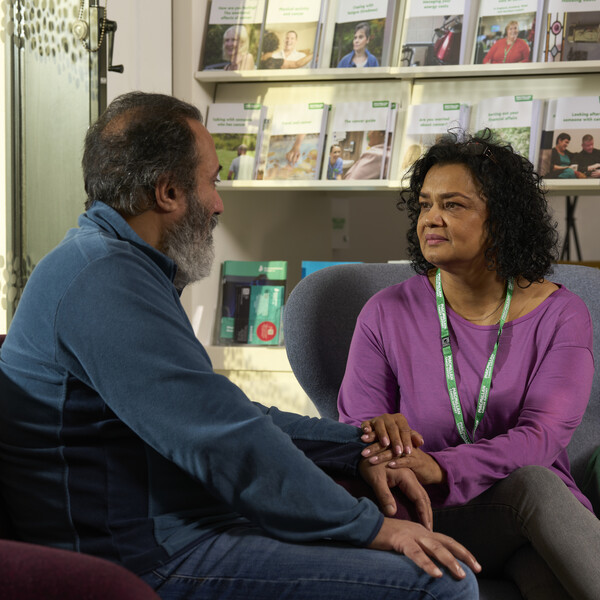
There are many organisations and charities that can give you cancer information. Many employ specialist nurses, and some use volunteers who have experience of cancer. They can often answer your questions and give you detailed information.
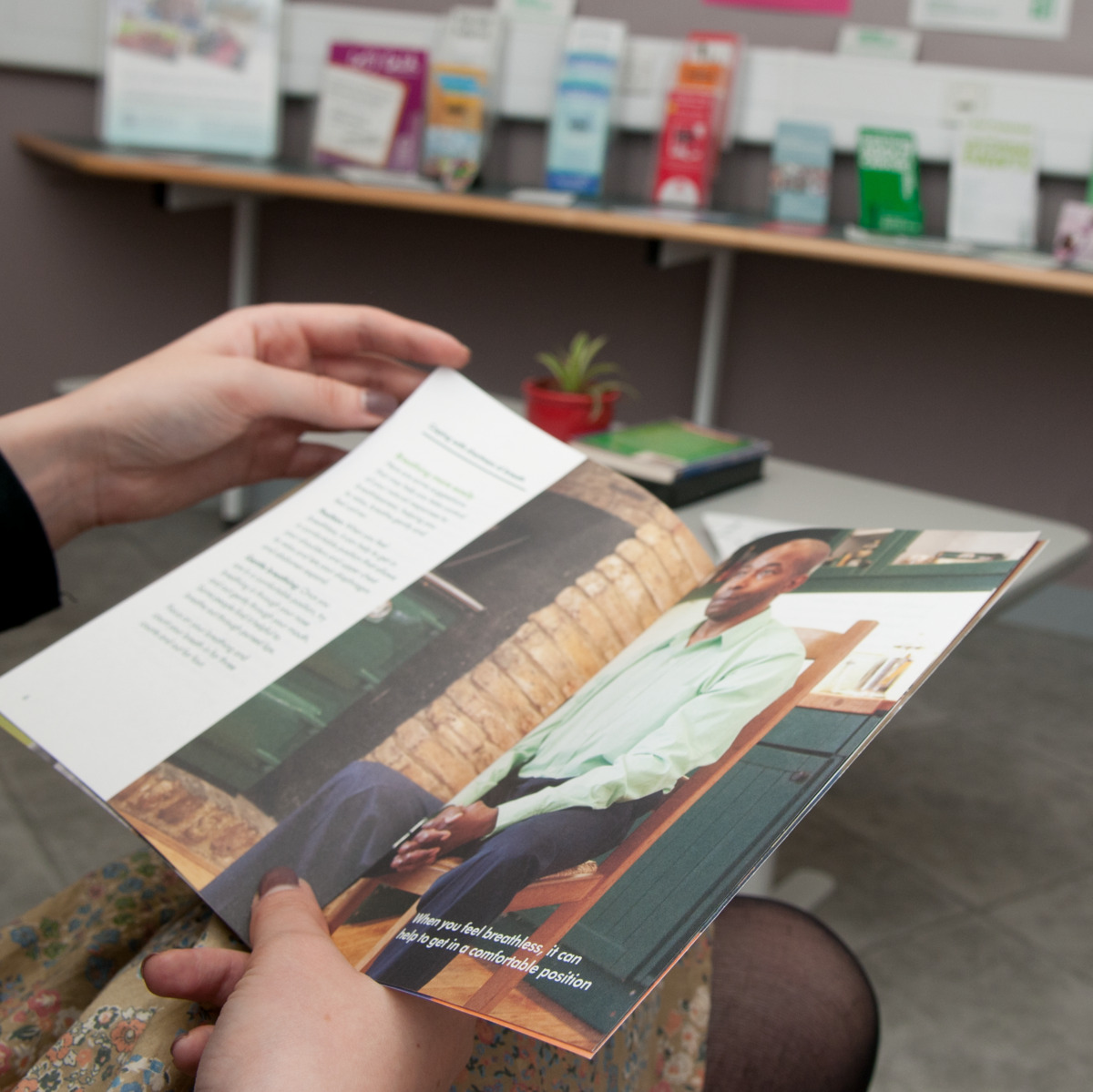
Charities may have written information they can send you and most will have a website. You can use our search tool to find other useful organisations.
Reliable websites
The internet can be a good source of information. Many people use it to look for health information. However, it is important to make sure that any online information you use has come from a reliable source.
Some websites have logos to show that they have been certified as providers of up-to-date, high-quality information. For example, the Information Standard quality mark seen on Macmillan’s information.
To check whether a website is reliable, you should think about the following things:
- Is the information regularly updated? Check when the information was last updated, edited or reviewed to make sure that it is still accurate. You should be able to find the date on each page of information.
- Is it clear who has written the information? A good website should tell you about the organisation that has made the pages or written the information.
- Are there references? The website should list its sources of information. Check that the publication dates for the references are also up to date.
- Is it a UK website? Information and advice may be different in other countries.
- Is the website sponsored by a company? This may mean the information is biased towards that company’s products or services.
- Is the website trying to sell you something? A good information website will not do this.
If you do not feel confident using the internet, ask someone to help you. Family members, friends or staff in your local library should be able to help. Some hospitals have cancer information and support centres where you can use the internet. There should be someone available to help you.
If you use a search engine (such as Google® or Yahoo®), try to narrow your search to exactly what you are looking for. For example, if you are looking for information about the side effects of chemotherapy, include the name of the drug you have been offered. This will give you better results than searching for chemotherapy in general.
If you find a helpful website or some good information, you can save it as a ‘favourite’ or ‘bookmark’ it, so that you can find it easily another time. Ask someone to show you how to do this if you are not sure. It may not be possible to save these pages if you are using a computer in a library or cancer support centre, so you could print the information or take notes instead. Remember to note down the web address (URL) of the page you are looking at. For example, www.macmillan.org.uk/information-and-support/treating/chemotherapy
If you are worried about anything you read during your internet search, talk to your healthcare team. They may be able to reassure you and answer any questions you have.
Other people who have been in a similar situation
Sometimes it can help to find out about other people’s experiences. You could do this through an online community or forum, or at a local support group. Always check with your healthcare team if you have any doubts about information you have been given.
Remember that everyone’s situation is different. Other people won’t be able to tell you which treatment will be more effective for you or exactly what side effects you will get. But they can tell you what it was like to have the treatment, how they felt and what helped them cope with any side effects.
Our Online Community is a place where you can chat to people in online forums, blog about your experiences and make friends. We also have information to help you find out about local support groups.