


Chemotherapy for womb cancer
What is chemotherapy?
Chemotherapy uses anti-cancer (cytotoxic) drugs to destroy cancer cells. The drugs are carried in the blood and can reach cancer cells anywhere in the body.
Chemotherapy is prescribed by specialist cancer doctors called oncologists. They specialise in treating cancer with anti-cancer drugs.
You may be offered chemotherapy and radiotherapy. Or you may have chemotherapy on its own.
Related pages
When chemotherapy is used for womb cancer
To reduce the risk of cancer coming back
Chemotherapy uses anti-cancer (cytotoxic) drugs to destroy cancer cells. Chemotherapy is used for womb cancer to reduce the risk of cancer coming back after surgery or radiotherapy. This is called adjuvant chemotherapy. Adjuvant chemotherapy is more likely to be given for womb cancers that are:
- high-intermediate risk
- high risk
- non-endometroid types.
To control the cancer and relieve symptoms
Sometimes chemotherapy is used before surgery to reduce the size of the cancer. This is called neo-adjuvant chemotherapy.
Chemotherapy can also be given to help control symptoms of womb cancer that has not been completely removed by surgery or has spread to other parts of the body. This is called palliative chemotherapy.
Related pages
Chemotherapy drugs used for womb cancer
Chemotherapy drugs can be given alone or in combination. You may have chemotherapy after surgery or radiotherapy to reduce the risk of cancer coming back (adjuvant chemotherapy). If you are having adjuvant chemotherapy you are more likely to have a combination of 2 drugs called carboplatin and paclitaxel.
Sometimes other chemotherapy drugs be used. These may include:
- carboplatin
- paclitaxel
- docetaxel
- cisplatin
- doxorubicin
- pegylated liposomal doxorubicin
- epirubicin
- gemcitabine.
Your cancer doctor or specialist nurse will explain more about your treatment.
How chemotherapy is given
You usually have chemotherapy as an outpatient. Specialist chemotherapy nurses give chemotherapy and other anti-cancer drugs.
The drugs used for womb cancer are given into a vein (intravenously). You may have drugs through:
- a short, thin tube the nurse puts into a vein in your arm or hand (cannula)
- a fine tube that goes under the skin of your chest and into a vein close by (central line)
- a fine tube that is put into a vein in your arm and goes up into a vein in your chest (PICC line)
- an implantable port.
Side effects of chemotherapy
Chemotherapy drugs can cause side effects. But many of these can be controlled with medicines and usually go away when your treatment finishes. If the cancer is causing symptoms, chemotherapy can also make you feel better by relieving them.
Each different chemotherapy drug has different side effects. Your doctor, nurse or pharmacist will explain what to expect. Always tell your doctor or nurse about any side effects you have.
Related pages
About our information
This information has been written, revised and edited by Macmillan Cancer Support’s Cancer Information Development team. It has been reviewed by expert medical and health professionals and people living with cancer.
-
References
Below is a sample of the sources used in our womb cancer information. If you would like more information about the sources we use, please contact us at informationproductionteam@macmillan.org.uk
Oaknin, A. et al. Endometrial cancer: ESMO Clinical Practice Guideline for diagnosis, treatment and follow-up. Annals of Oncology, Volume 33, Issue 9, 860 - 877
https://www.esmo.org/guidelines/guidelines-by-topic/esmo-clinical-practice-guidelines-gynaecological-cancers/endometrial-cancer (accessed January 2024).Berek JS, Matias-Guiu X, Creutzberg C, et al. FIGO staging of endometrial cancer: 2023. Int J Gynecol Obstet. 2023; 162: 383-394. doi:10.1002/ijgo.14923 (accessed January 2024).
Suspected cancer: recognition and referral. NICE guideline [NG12] Published: 23 June 2015 Last updated: 02 October 2023 Overview | Suspected cancer: recognition and referral | Guidance | NICE (accessed January 2024).


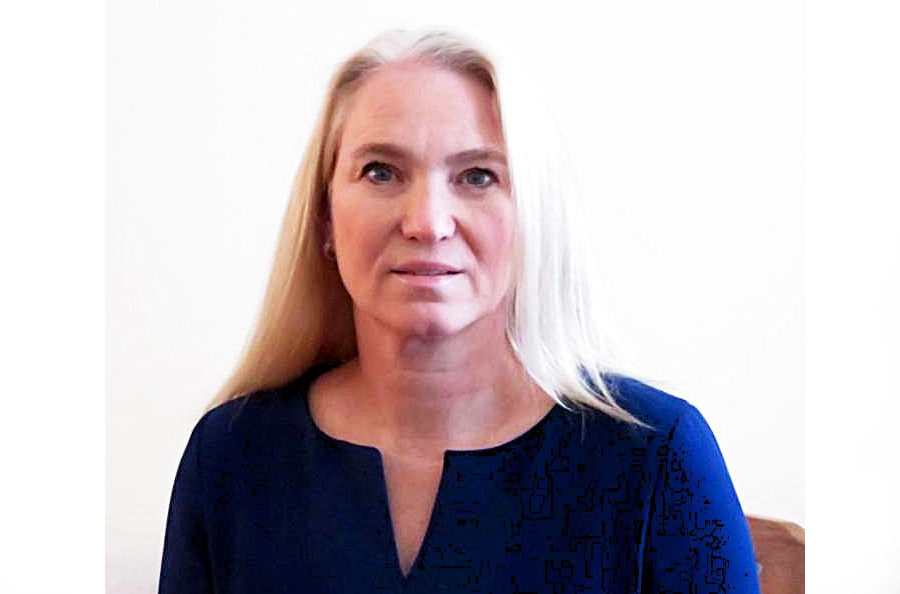
Miss Eva Myriokefalitaki
Reviewer
Consultant Gynaecological Oncology Surgeon
Date reviewed


Our cancer information meets the PIF TICK quality mark.
This means it is easy to use, up-to-date and based on the latest evidence. Learn more about how we produce our information.
The language we use
We want everyone affected by cancer to feel our information is written for them.
We want our information to be as clear as possible. To do this, we try to:
- use plain English
- explain medical words
- use short sentences
- use illustrations to explain text
- structure the information clearly
- make sure important points are clear.
We use gender-inclusive language and talk to our readers as ‘you’ so that everyone feels included. Where clinically necessary we use the terms ‘men’ and ‘women’ or ‘male’ and ‘female’. For example, we do so when talking about parts of the body or mentioning statistics or research about who is affected.
You can read more about how we produce our information here.