You will probably feel relieved when you have finally completed treatment to get rid of the cancer. But you may find yourself worrying about whether it has worked and what might happen in the future. It’s natural to feel like this.
For many people, treatment will cure the cancer and it will never come back. Some people may want to know if they need to wait a number of years to be confident the cancer is cured. Or they may ask if there is a time when the cancer is more likely to come back and what can be done if it does.
Even when your doctor is reassuring, it’s normal to still worry. Most people who have been through cancer treatment live with some worry and uncertainty. This doesn’t mean they are not coping with life after treatment.
However, some people find it harder to cope with feelings of uncertainty. They may feel as if they have very little control over their lives. How uncertain or worried you are can depend on things such as your age, whether you have ongoing treatment side effects, and how you deal with life in general.
Coping with these feelings
There are ways to help you manage worry and uncertainty. Realising that you will always have some of these feelings can be a good place to start. This may be hard and can take time, but there are people who can help you with this.
Focusing on what you can control right now is one way of managing your worries. It can help you to stop dwelling on future ‘what ifs’. Rather than worrying about things that may never happen, concentrate on what you can influence and do now. This can include:
- talking about your feelings
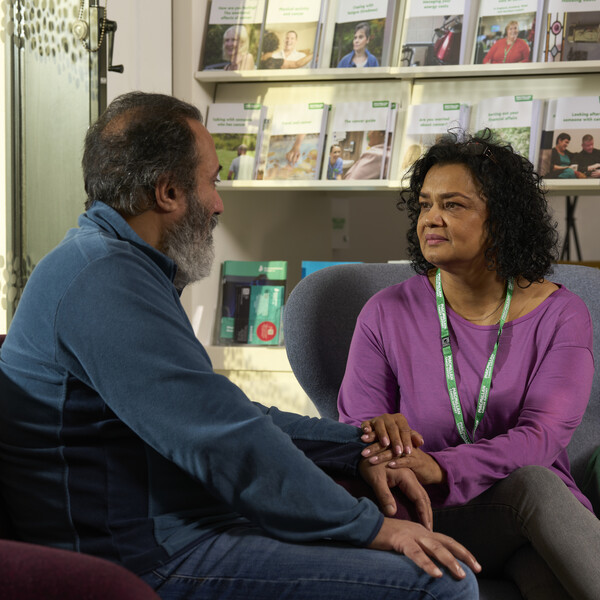
- getting support
- becoming more involved in your own care
- following advice from your cancer team
- focusing on your well-being
- knowing when you need help withoverwhelming feelings and where to get it.
When we talk about your cancer team we mean the main people that have been involved in your cancer care. This usually includes your cancer doctor (oncologist), surgeon, specialist nurse, or other health professionals such as your physiotherapist, pharmacist, or dietitian.
Some of the suggestions we make may not fit in with your way of coping. There are no right and wrong ways to cope. You can adapt the suggestions in the ways that you find most helpful.