fear-and-anxietyFeeling frightened and anxious is a natural reaction to an uncertain situation. Cancer is a serious illness, so it’s normal to worry about what will happen in the months or years ahead. You may feel overwhelmed with information about treatment options, possible side effects, and changes to your family and work life. You may be struggling to take all the information in and feel worried about making important decisions.
You may also be scared about the body changes that cancer treatment can cause. Whether these changes are temporary or permanent, they can affect your self-image and confidence. You may feel vulnerable if you can no longer do everything you used to do.
Our content on body image and cancer explains how cancer treatment can affect the way you see your body. It suggests ways of dealing with these thoughts and feelings.
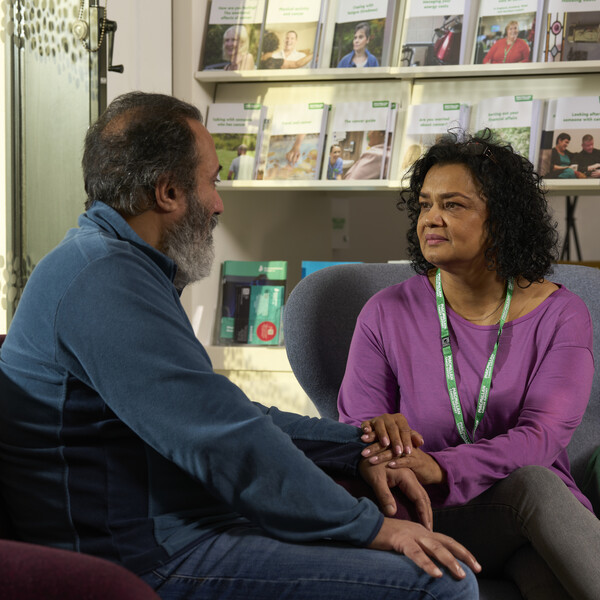
Talking about your fears or concerns can often help. Discussing them with someone can help you understand them better and put them into perspective. It can also help you make important decisions. This can leave you feeling more in control of your situation and less fearful.
Uncertainty
Feeling that we have some control over our lives gives us a sense of security and allows us to enjoy the things we do. It’s natural to want to know what is likely to happen to us next, so that we can make plans for the future. But being diagnosed with cancer can take away that sense of security, and leave you feeling uncertain about what’s ahead.
Uncertainty can be one of the hardest feelings to deal with, and it may make you feel irritable, angry and frightened.
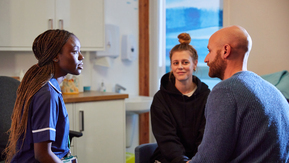
Some people find it helps to find out as much as possible about their illness and what is likely to happen. This can help reduce feelings of stress, although not everyone feels this way. However, by talking through your fears, you may find the situation is better than you first thought. It’s best to discuss this with your doctors and nurses, as they know your situation and are involved in your treatment.
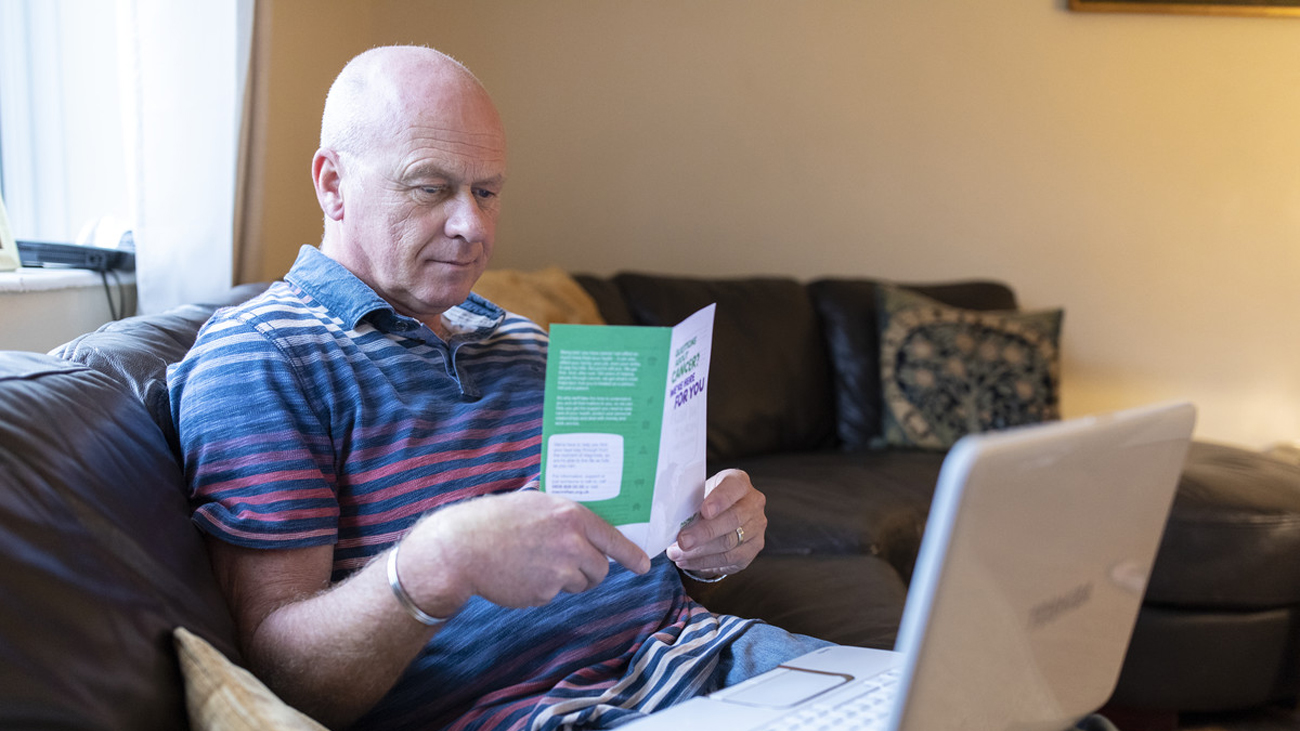
Try to be clear with your doctor or nurse about how much you want to know about your illness. You could write down a list of the questions you want to ask before you see them.
You may find that doctors can’t answer your questions fully, or that their answers sound vague. For example, it’s often impossible for them to say for certain how effective a treatment will be. Doctors know approximately how many people will benefit from a treatment, but can’t predict the future for a particular person with certainty.
Many people find this uncertainty hard to live with. We discuss things you can do to help you manage your feelings.
Anxiety
It is natural to feel anxious when you have been diagnosed with cancer. But some people may have strong feelings of anxiety that are more difficult to manage. You may find that you can’t concentrate, are irritable and easily distracted, sleep badly and get tired easily. These feelings may be there all the time, or they may come and go.
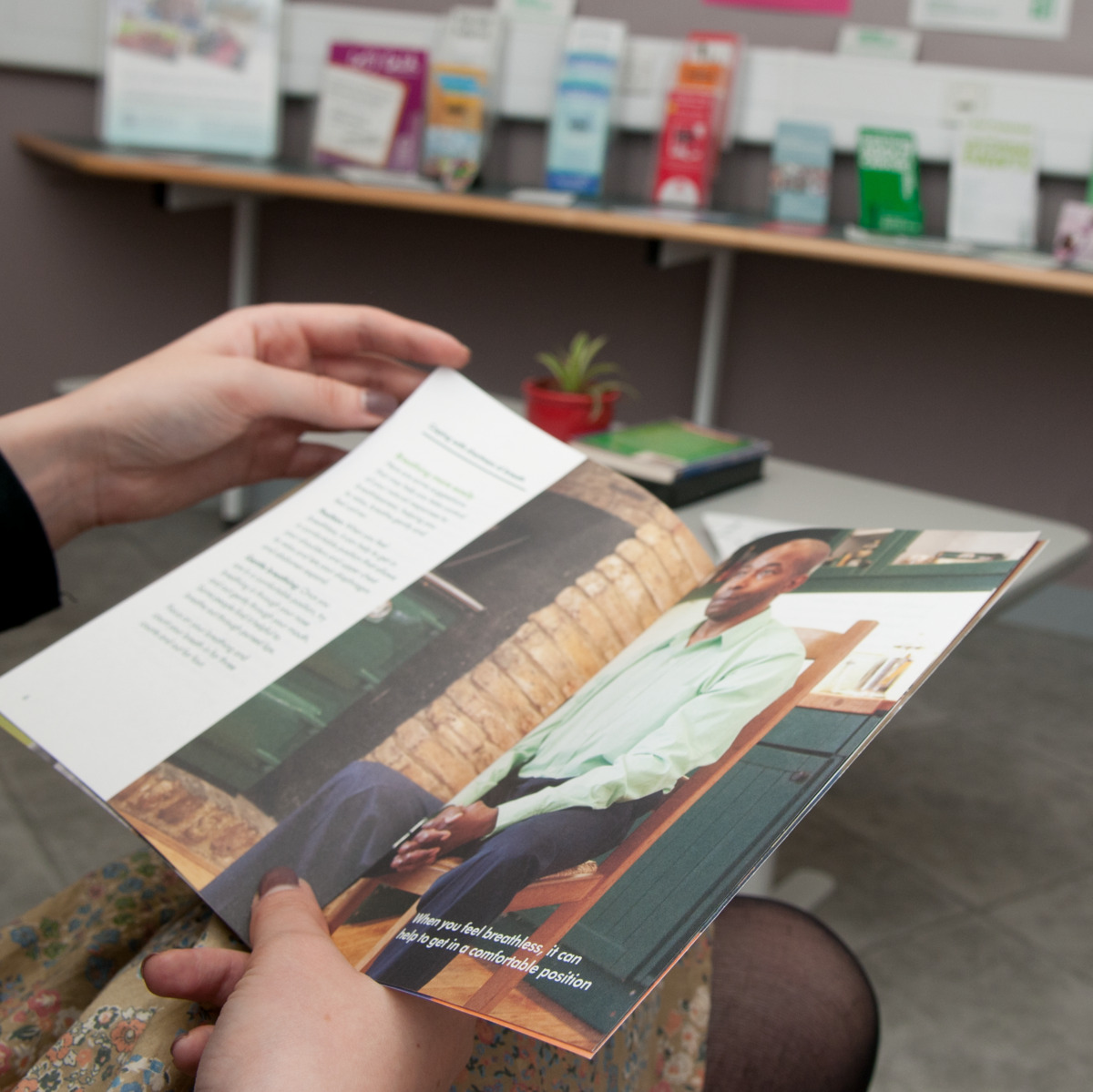
You may also experience some uncomfortable physical changes if you have anxiety. These can include tense muscles, breathlessness, dizziness, sweating or a dry mouth.
Reassurance from family and friends that ‘everything will be alright’ can sometimes make the anxiety worse. You may feel they do not take your concerns seriously. Or they may be struggling to accept your illness. Talking to someone who can listen to your fears objectively can be a great help. This may be your doctor, your nurse, a family member, a friend or a professional counsellor. Finding the right support and information may greatly reduce your anxiety.
If you feel that your anxiety is getting worse, speak to your GP or specialist nurse, or to a counsellor or psychologist. They can help you look at the reasons for the fear and find ways of coping with it. You may also find it helpful to contact Anxiety UK.
Many people who have anxiety may also have depression.
Panic attacks
If you’re very anxious then you may have a panic attack. This is a sudden and intense feeling of fear, along with physical symptoms of anxiety such as sweaty palms and a fast heartbeat. Panic attacks can feel overwhelming, but there are ways to help control them.
Techniques to help you manage panic attacks include breathing exercises and visualisation. You can read more about relaxation and visualisation in our complementary therapies pages.