


Cancer and your emotions
It is common to have many different emotions when you have cancer. There is no right or wrong way to feel.
How does cancer affect your emotions?
It is common to have many different emotions when you are told you have cancer. These can be difficult to cope with. Partners, family and friends may also have some of the same feelings.
There are lots of different reactions to cancer. You might not have any of the emotions we talk about here. There is no right or wrong way to feel. You will cope with things in your own way. Common feelings include:
-
Shock and denial
You may find it hard to believe that you have cancer when you are first diagnosed. It is common to feel shocked and numb. You may not be able to understand all the information you are given. You may find that you keep asking the same questions.
At first, it can be hard to talk about the cancer. Or you might find it hard to think or talk about anything else. Both reactions are normal. Your mind is trying to process what is happening. These feelings usually get easier over time. -
Fear and anxiety
You may be anxious or frightened about whether treatments will work and what will happen in the future. This can be one of the hardest things to cope with. It can help to try to focus on things you can control. You may want to find out more about the cancer, your treatment options and how to manage any side effects. It can also help to talk about your feelings. Try to keep doing the things that are important to you and that you enjoy.
-
Sadness and depression
You may feel sad if you have to change your plans because of the cancer, or if your future feels uncertain. Feeling sad is a natural reaction to change or loss. This feeling may come and go during and after your treatment. For most people, these periods of sadness get better. But for some people, the sadness may continue or get worse. If you think the sadness may be turning into depression, there are things you can do to help.
-
Avoidance
You may cope by trying not to find out much about the cancer. Or you may cope by not talking about it. If you feel like this, tell people that you do not want to talk about it right now. You can also tell your cancer doctor if there are things you do not want to know or talk about yet.
Sometimes, it may be hard to accept that you have cancer. This can stop you making decisions about treatment. If this happens, it is very important to get help from your healthcare team.
You may feel that your family or friends are avoiding you or avoiding talking about the cancer. This is usually because they are also finding it difficult to cope. They may need support too. Try to tell them how this makes you feel. It may help you, your family and friends talk openly about how you are feeling. -
Anger
You may feel angry about your diagnosis. You may also resent other people for being well. These are normal reactions. They are more likely when you feel frightened, stressed or unwell. You may get angry with your family, friends or partner. Tell them you are angry at your illness and not at them. Finding ways to relax can help with anger. This can include talking about or writing down how you feel, doing gentle exercise, having relaxation therapy or meditating.
-
Guilt and blame
You may feel guilty or blame yourself for the cancer. You may want to find reasons for why it has happened to you. Most of the time, it is impossible to know exactly what causes a cancer. Over time, a combination of different risk factors may cause a cancer. Doctors do not fully understand all these factors yet. Try to focus on taking care of yourself and getting the help and support you need.
You may feel guilty that the cancer will affect other people in your life. You may worry that they will find it difficult to cope. Try to tell them how this makes you feel. It may help you, your family and friends to talk openly about how you are feeling.
-
Feeling alone
You may feel alone or isolated. This could be because you do not think you have support. Family and friends may live far away, be busy or feel uncomfortable talking about the cancer. Try to tell your family and friends how you feel. This can help them find ways to support you.
You may have times when you want to be alone for a while. But if you find you are avoiding people a lot of the time, try to talk to your doctor or nurse
If you need more support, you can:
- Call the Macmillan Support Line for free on 0808 808 00 00 and talk to one of our cancer support specialists.
- Find local support groups.
- Talk to other people affected by cancer on our Online Community.
Physical symptoms and your emotions
Your physical symptoms can affect your emotions. Emotional symptoms can also affect you physically.
You may notice changes in your energy, sleep, appetite and sex drive. These changes might be caused by your cancer or cancer treatment, but your feelings can affect them too.
-
Pain
When you have pain, it can affect your mood. Pain can also make you feel anxious. Anxiety and depression can affect how we feel pain and our ability to cope with it.
We have more information about managing pain, with and without drugs. Getting emotional support may help you manage pain. Other things that may help include mindfulness, meditation and relaxation techniques. It is important to talk to your healthcare team about any pain so that they can help and support you.
-
Fatigue
Fatigue is extreme tiredness or exhaustion. It is a common side effect of cancer and cancer treatments. Fatigue can affect your mood. It can stop you doing the things you enjoy. But it can also be caused by anxiety and depression. This can make it difficult to know the cause. If you think anxiety or depression could be adding to your fatigue, speak to your GP or healthcare team. They can advise and support you.
-
Sleep problems
If you have cancer, you may find it difficult to sleep. You may have worries about treatment or fears about the future. Some medicines, such as steroids, can affect your sleep. Not getting enough sleep can affect your well-being and ability to cope.
Sleep hygiene is a term used to describe things you can do during the day that may help you sleep better at night. We have more information about improving your sleep and relaxation techniques.
-
Loss of interest in sex
Cancer and its treatment may cause you to lose interest in sex. Cancer may lead to changes in your body, or how you think about your body (body image). These changes may affect your sex life. Losing interest in sex may affect your mood or cause you worry and anxiety.
Reduced interest in sex is also a common symptom of feeling depressed or anxious.
It can feel difficult to talk about sex. If you have a partner, you can explain that your lack of interest in sex does not mean you have lost interest in them. This may help you both feel more secure. We have more information about cancer and sex.
-
Changes in appetite
Changes in appetite, eating habits and weight can have an impact on your mood. Feeling anxious or depressed can also affect your appetite. We have more information about eating, weight changes and cancer. These give advice on:
- healthy eating
- making changes to your diet
- coping with eating problems or weight changes caused by cancer or its treatment
- eating when you do not feel hungry or do not need to gain weight.
-
Panic attacks
A panic attack is a sudden feeling of intense panic or fear. It causes mental and physical symptoms. They can feel very strong and unpleasant.
It is natural to feel panic or fear in a stressful or dangerous situation. But a panic attack can happen for no obvious reason. Panic attacks are frightening, but there are ways to help control them. We have more information about coping with panic attacks and anxiety.
Do feelings affect cancer?
Cancer is influenced by many things, including our environment, diet, genetics and physical health. Your feelings can affect the way you cope with cancer and treatment. But there is no evidence that these things affect the cancer itself.
There is no evidence that feeling anxious or sad can affect your recovery. It is normal to have these feelings during difficult times. Talking about them openly and getting the right support can help. It can help you feel more in control.
You can call the Macmillan Support Line for free on 0808 808 00 00 or find local support. You can also ask your cancer doctor, specialist nurse or GP for advice and help getting support.
Talking and getting support
Many people find it helpful to talk about cancer and how it is affecting them. You may find the idea of talking uncomfortable. But talking to someone about how you feel can help you cope with your emotions. It is often the first step in helping you feel better. Talking about things can make you feel supported. It can also help you make decisions that are right for you.
We have more information about talking to people about cancer. We also have information for family and friends on talking with someone who has cancer.
In the video below, Amuz talks about the mental health issues he had following his treatment for cancer. He found support from talking with other people on the Online Community forums who were experiencing the same feelings.
Online HOPE Programme
Sign up for the online HOPE programme – a self-management programme to help you to develop techniques and strategies when living with or after cancer.
Related pages
Who you can talk to
You may want to talk to someone you know well. This could be a partner, family member or friend.
Or you may find it easier to talk to someone you do not know well. This could be:
- your cancer doctor
- your GP
- your specialist nurse
- a religious or spiritual leader.
Your doctor or nurse may be able to refer you to a psychologist or counsellor. Some organisations like Mind can offer this type of support too. Life after Cancer is an organisation that can help you find support after cancer treatment. They offer 1-to-1 and support group options.
You might find self-help groups or online communities useful. This can be a good option if you find it hard to talk to your partner, family members or friends.
Support from Macmillan
Macmillan is also here to support you. If you would like to talk, you can:
- Call the Macmillan Support Line for free on 0808 808 00 00 (7 days a week, 8am to 8pm).
- Chat to our specialists online.
- Visit our emotional support forum to talk with people who are dealing with the emotional impact of cancer, share your experience, and ask an expert your questions.
We have more information about cancer and mental health support.
Talking to family and friends
Booklets and resources
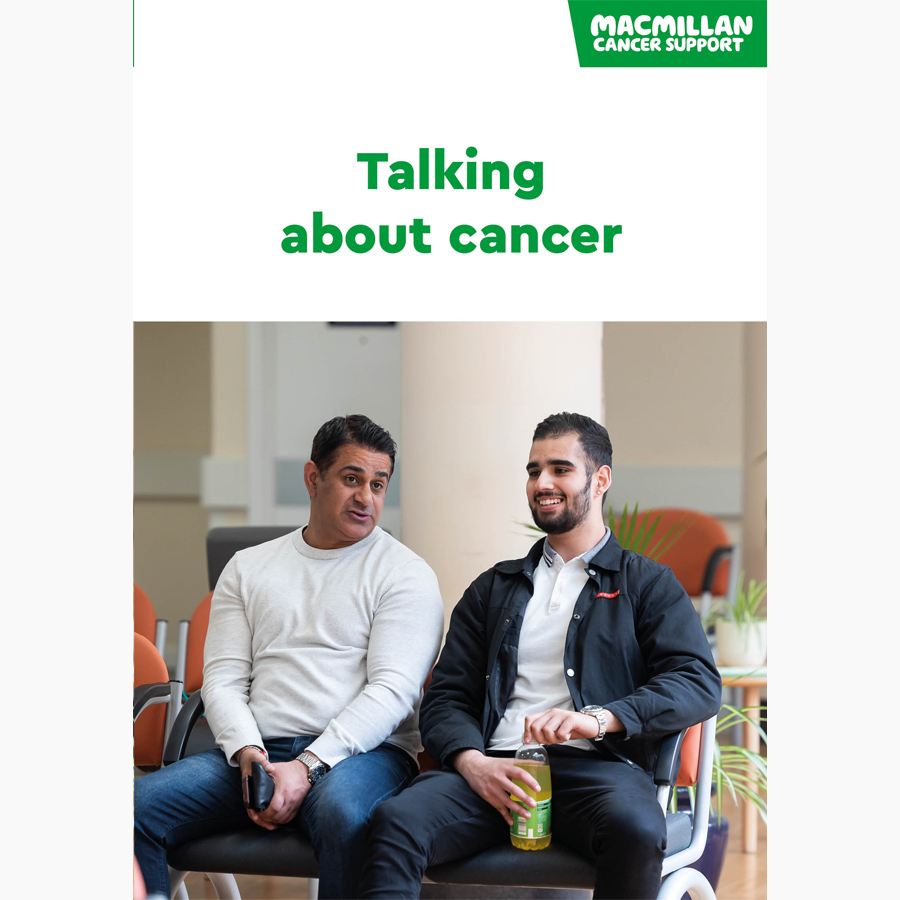
Your feelings and relationships
Cancer and its treatment can cause many changes in your life. You may be worried about how relationships with friends and family might change.
If you have a partner, you may be worried about changes to your relationship. Or you might be thinking about starting a new relationship. Even close families or couples who have been together for a long time can have problems.
But some changes will be positive. Going through an experience like cancer can make relationships stronger.
Every relationship is different. It is important to spend some time finding out what the other person thinks and feels. It is also important to remember that people deal with things in their own way.
Even after treatment, people may not understand what life is like for you. They may expect you to get back to normal straight away. They may not know how to support you, or even that you still need support.
Partners
Cancer can affect your relationships and sex life. These changes may be practical, emotional or physical:
- Practical – your roles and responsibilities at home and work may be different now. For example, you may have new ways of managing housework, childcare or finances.
- Emotional – your feelings about each other may change. Your relationship may be stronger or more complicated.
- Physical – you may be coping with side effects or physical changes after treatment. Having sex or how you both feel about sex may be different. Some cancer treatments can affect your fertility. This might change any plans to have children.
We have more information about sex and fertility after cancer and cancer treatment.
You may be facing challenges in your relationship that you did not expect. Everyone copes with these in their own way. Think about how you have coped with challenges in the past. It usually helps to be open and honest with each other about how you feel.
New partners
You might feel differently about starting new relationships after having cancer. You might worry how someone else will react when you say you had cancer. If your body has changed after treatment, you may worry about what new partners will think.
You may find it hard to decide what to tell new partners and when. If you think that you need some help, you can get support from family, friends or a support organisation such as Relate.
You can also call our cancer support specialists for free on 0808 808 00 00.
Getting support
There is support available for you and for your friends, family or partner. We have more information about:
- talking with someone who has cancer
- looking after someone with cancer
- your feelings when someone has cancer.
There may also be support available in your local community. Some hospitals offer talking therapies to family members. If you think it would help, ask your healthcare team.
We have more information about local support groups at macmillan.org.uk/inyourarea Or you can talk to one of our cancer support specialists for free on 0808 808 00 00.
Booklets and resources
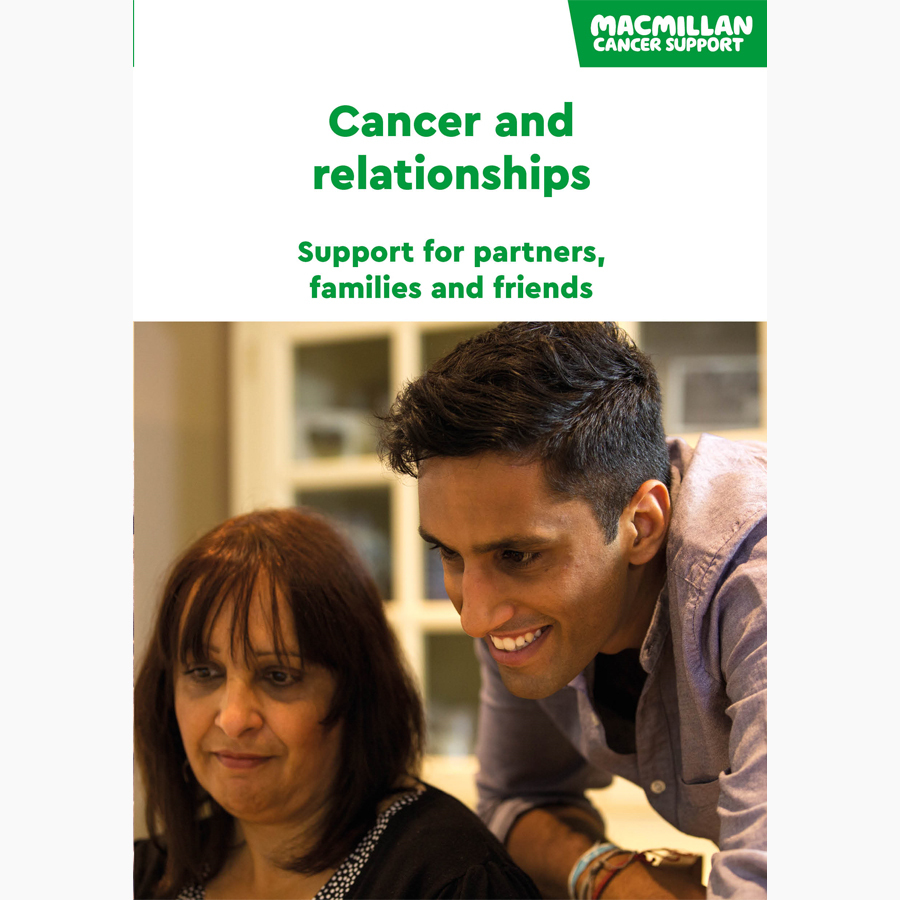
Looking after yourself
During and after cancer treatment, there are things you can do to improve your general health and well-being. This can make you feel more in control of what is happening to you. As well as improving your physical health it may also support your mental health.
If you feel that your emotions are building up, focusing on your well-being can help you release your tension.
You may want to:
- eat well
- be more physically active
- get enough sleep
- stop smoking
- follow sensible drinking guidelines
- avoid recreational drugs.
You could also try the following:
-
Join a self-help or support group
Joining a self-help or cancer support group can have many benefits, including gaining a sense of community and knowing that you are not alone.
-
Write down your feelings
Some people find it helps to write down how they are feeling. Keeping a diary, journal or online blog can be a way of expressing how you feel without having to talk about it.
-
Release tension
Tension can often be released by talking to people. Sometimes you may feel like everything is getting too much for you. If you feel this way, try to be kind to yourself.
You might want to try complementary therapies such as massage or yoga.
-
Make time to relax
There are relaxation techniques you can use to help you with stress. These include meditation, yoga, regular physical activity and massages.
-
Mindfulness and meditation
Mindfulness is being aware of your thoughts and feelings in the present moment. It uses techniques like meditation, breathing exercises and yoga to help you focus on what is happening at that time. It can help you change the way you think about things. This can help reduce stress and anxiety. We have more information about mindfulness and meditation, and other mind body therapies.
-
Complementary therapies
Complementary therapies are used with, or as well as, conventional medical treatments. Complementary therapies do not claim that they can treat or cure cancer. People might use complementary therapies to improve their physical or emotional health. Or they may use them to reduce cancer symptoms or the side effects of cancer treatments.
There are many types of complementary therapies, including yoga, meditation, massage, reflexology and acupuncture.
-
Courses for people affected by cancer
Some cancer centres and organisations run short courses for people living with or after cancer. Your specialist nurse, cancer doctor or information centre may be able to give you information about courses in your area.
Help to Overcome Problems Effectively (HOPE) is a course to help people after cancer treatment. It was developed by Hope for the Community and Macmillan Cancer Support. This course is run in small groups. It is free and takes place at different locations across the UK.
Macmillan also delivers an online HOPE programme, which is a 6-week self-management course based on an online platform. You can learn more and book onto an online HOPE course.
CAN-EMPOWER is an online resource that has been developed with people who have experience of cancer and health professionals. It has coping tools and techniques that people have found helpful in managing the emotional and psychological challenges of living with cancer. Visit CAN-EMPOWER to find out more.
We have more information about cancer and mental health support.
If you identify as LGBTQ+
If you identify as LGBTQ+, you may have additional worries. You may have questions about whether this will affect your cancer treatment. Sexual orientation and gender identity should not affect access to the right healthcare. Your healthcare team should offer the care, support and information that meets your needs.
People who identify as LGBTQ+ may face extra challenges in getting the right help and support. This may be when you go to hospital appointments or when you are talking to your healthcare team. You might be worried that professionals will make assumptions about you. It can be hard to know how to deal with this.
You might want to talk to your healthcare team about your sexual and romantic orientation and gender identity. But you do not have to give them this information if you do not want to. We have more information about talking to your healthcare team when you identify as LGBTQ+.
Related pages
Advanced cancer
If your cancer doctor has told you the cancer is advanced, you may feel shocked and find it hard to accept. You may feel frightened, angry or worried about the future. With time, these feelings can become more manageable. Some people find that making plans and decisions helps them feel more in control.
Some people live with advanced cancer for a long time. During this time, many people carry on with their daily lives and do things that are important to them.
We have more information about coping with your feelings about advanced cancer.
About our information
This information has been written, revised and edited by Macmillan Cancer Support’s Cancer Information Development team. It has been reviewed by expert medical and health professionals and people living with cancer.
-
References
Below is a sample of the sources used in our diagnosis and staging information. If you would like more information about the sources we use, please contact us at cancerinformationteam@macmillan.org.uk
Common mental health problems: identification and pathways to care. Clinical guideline [CG123]. May 2011. Available from: www.nice.org.uk/guidance/cg123 (accessed November 2022).
Depression in adults: treatment and management. NICE guideline [NG222]. June 2022. Available from: www.nice.org.uk/guidance/ng222 (accessed November 2022).
Depression in adults with a chronic physical health problem: recognition and management. Clinical guideline [CG91]. October 2009.


Date reviewed


Our cancer information meets the PIF TICK quality mark.
This means it is easy to use, up-to-date and based on the latest evidence. Learn more about how we produce our information.
The language we use
We want everyone affected by cancer to feel our information is written for them.
We want our information to be as clear as possible. To do this, we try to:
- use plain English
- explain medical words
- use short sentences
- use illustrations to explain text
- structure the information clearly
- make sure important points are clear.
We use gender-inclusive language and talk to our readers as ‘you’ so that everyone feels included. Where clinically necessary we use the terms ‘men’ and ‘women’ or ‘male’ and ‘female’. For example, we do so when talking about parts of the body or mentioning statistics or research about who is affected.
You can read more about how we produce our information here.