


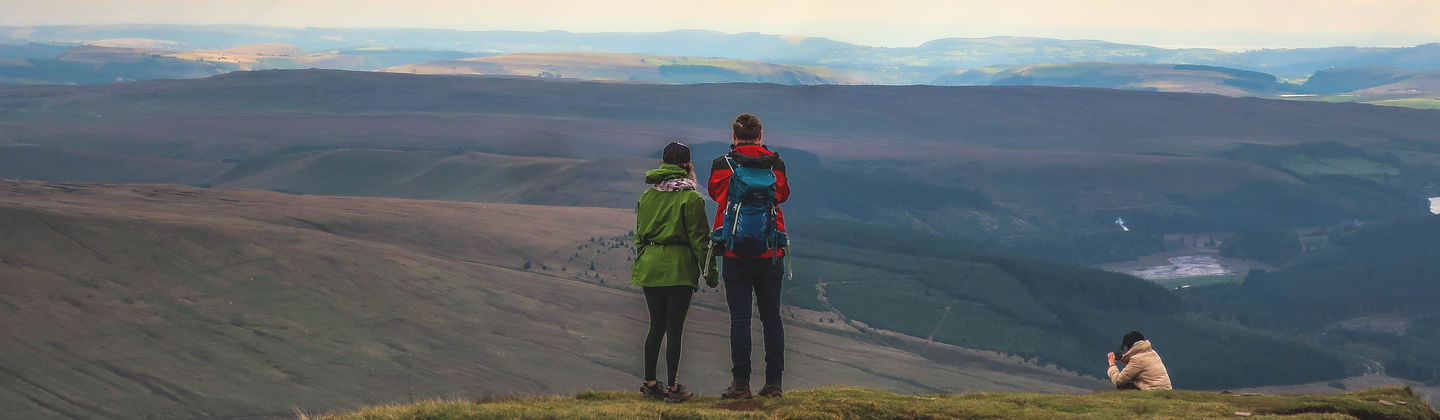
Training for Mighty Hikes: finding routes, building strength, and walking with purpose
Taking on a Mighty Hike for Macmillan is an exciting challenge. Whether you’ve signed up to push your limits, raise money, or simply enjoy the great outdoors, preparation is key. But training doesn’t have to mean long drives to dramatic landscapes or sticking to the beaten track - it can even start right from your doorstep.
Where to hike near me
One of the easiest ways to begin training for your Mighty Hike is by exploring your local area. You might be surprised by how many suitable routes are close by. Parks, woodland trails, canal paths, and even quiet country lanes can all form part of your training plan.
Start by looking at:
- Local walking routes or circular trails
- Nature reserves or regional parks
- Public footpaths and bridleways
- Canal or riverside paths
Apps such as Komoot, AllTrails, Plotaroute and Google Maps can help you discover routes you may never have noticed before. The goal early on isn’t to find the most scenic or difficult trail - it’s to build consistency. A flat 5–10 km route done regularly is far more valuable than an occasional long trek.
As your fitness improves, you can gradually seek out routes with more elevation, uneven terrain, or longer distances. If you can, find some hikes further afield which might be similar to the one you are training for to help simulate event conditions.
What’s the difference between a walk and a hike?
At first glance, walking and hiking might seem interchangeable but there are a few key differences, especially when it comes to training.
A walk is typically:
- Shorter in distance
- Done on flat or paved surfaces
- Lower intensity
- More casual (think daily steps or a stroll)
A hike tends to be:
- Longer and more physically demanding
- On varied terrain (trails, hills, mud, uneven ground – although some of our Mighty Hikes are mainly flat)
- More purposeful, often with a goal distance or elevation
- Requiring some planning (kit, hydration, navigation)
For Mighty Hikes, you’re firmly in hiking territory. That means your training should gradually shift from casual walking to more structured, endurance-focused outings. It’s not just about distance - it’s about adapting your body to time spent on your feet, changing terrain, and sustained effort.
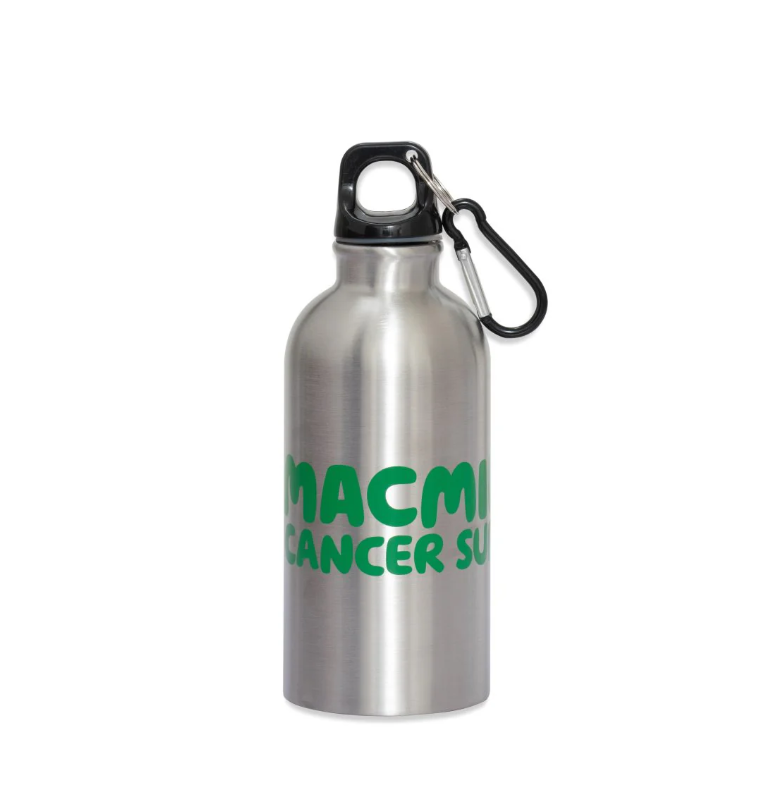
Need a water bottle or other gear for your hike?
Training further afield
While local routes are the backbone of your training, there’s real value in occasionally venturing further afield. New environments challenge your body and mind in ways familiar routes can’t, and they’re often closer than you think.
Look for areas within an hour or 2 of home that offer:
- Longer uninterrupted trails
- Hillier terrain or varied elevation
- Different surfaces such as chalk paths, forest tracks, or coastal trails
- Waymarked routes where you can focus on pace and endurance
Planning a day hike in a national park or countryside area can help you simulate the feel of your event day. You’ll get used to being out for several hours, managing your pacing, and staying fuelled and hydrated over longer distances.
These trips are also ideal for testing:
- Your footwear over longer mileage
- Your backpack weight and comfort
- Nutrition strategies (what works, what doesn’t)
- Mental resilience when you’re tired or conditions change
Try to include a handful of these longer outings in the lead-up to your Mighty Hike. They don’t need to be every weekend, but they should become more frequent as your event approaches.
Tailor your training to the event
Not all Mighty Hikes are the same. Some are mostly flat, while others involve significant climbs and are more technical. Your training should reflect the specific Mighty Hike you’re preparing for.
Consider:
- Distance: Build up gradually. Don’t jump straight into long hikes.
- Elevation: Training on hills is essential if your event includes climbs.
- Terrain: Practice on trails similar to the event (grass, gravel, mud, etc.).
- Time on your feet: It’s not just distance, it’s how long you’re moving for.
Don’t forget to train with the kit you’ll use on the day. Your boots, socks, backpack, and nutrition all matter. Small discomforts over short distances, such as hiking boots which haven’t been worn in properly, can turn into major problems over long distances.
Training for a Mighty Hike doesn’t need perfection. It’s about consistency, progression, and a bit of curiosity about the paths around you. Start local, build gradually, and before long, those everyday routes will have prepared you for something much bigger and mightier.
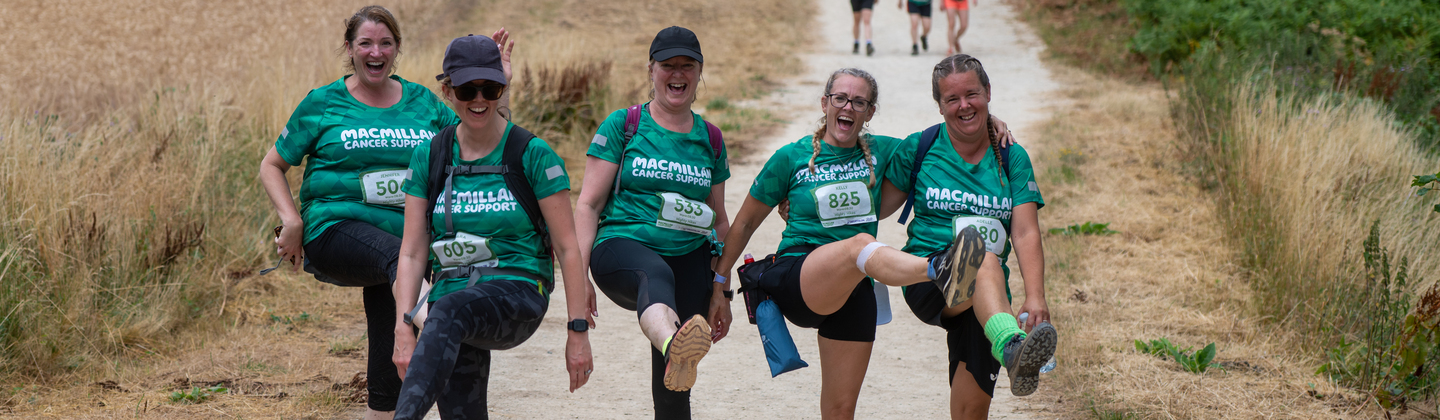
Take on a Mighty Hike!
Choose from 12 stunning locations across the UK and help make a difference in the lives of people living with cancer.
About the author