

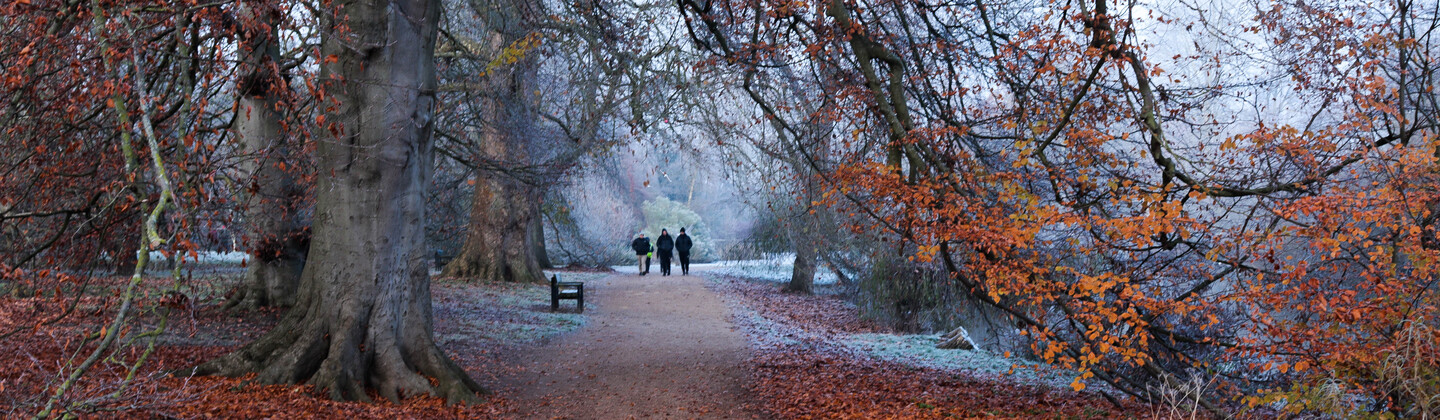
Squelching through thick mud. Icy bridleways. Flooded river paths and fields. The biting cold. Encroaching darkness.
Hiking in winter may not be everyone’s idea of fun. But its unique charms include misty morning sunrises, crisp clear afternoons, and skeletal woodlands . Winter hikes can be physically demanding, but they can give a big sense of achievement.
Find out how hiking in winter can also be the perfect training for whichever Macmillan Mighty Hike you choose to do later this year.
Start with good preparation
All hikes need good preparation. The unique conditions of winter mean there are extra things to consider. The weather will determine what equipment you take, and how far you can go. You will need to think about:
- Your choice of hiking route and the distance
- Pre and post hiking exercises and stretching
- Less daylight
- Your clothing and footwear
- Winter hazards
Let's find out more!
Get the right hiking gear
Wearing layers of clothing means you can adjust to the temperature easily. You may start off feeling cold at the beginning of your hike and then get warmer during the middle of the day as your body warms up. You may then get colder again towards the end of the hike when the sun is lower in the sky, and you start to slow down.
Ideally, you will have a lined waterproof jacket to keep you warm and dry. Hiking trousers can keep your legs dry too. You will need more grip with your footwear. Walking shoes might feel like skis on muddy ground. If you can, consider buying hiking boots with larger treads.
Thick socks are ideal for preventing your feet from getting wet and minimising the risk of blisters. You may want to take walking poles to help you, particularly if your walk has elevation or there are slippy conditions. Gaiters are protective, waterproof sleeves which cover the gap between hiking boots and trousers. They can help keep mud, snow, water and debris from getting inside your boots and protect you from insect bites.
If you can, buy a recognised brand of waterproof hiking rucksack which distributes weight evenly. This will help you lower the risk of injuring yourself from an unbalanced or unstable load.
Hiking with less daylight
You will have significantly less daylight during a UK winter hike. This is unavoidable. Having less daylight will influence how far you walk. If you’re planning to walk a long distance, think about how far that realistically can be considering your average walking pace and the likely conditions.
For example, if you are planning to walk 10 miles and your average walking pace is 2 miles an hour you will need 5 hours for continuous walking. But this does not factor in rest stops, or dealing with unexpected hazards such as blocked paths and other obstacles. Or the possibility of getting lost and needing to turn back. It’s good to factor in an hour or 2 longer than you think you will need so you’re not under too much time pressure to finish before nightfall. It's worth having a headtorch too in case you finish the last part of your walk in darkness.
The Time and Date website gives accurate sunrise and sunset timings for the UK depending on where you are and the time of year. Your location matters. You will have substantially more daylight in Penzance than you would if you were in Aberdeen because of the difference in latitude. Cloudy days will also feel like it’s getting darker earlier than advertised.
Dealing with hiking hazards
It’s harder to maintain a faster walking pace in winter or bad weather because of the cold and hazards you will likely encounter. These shouldn’t be underestimated. Very muddy terrain, localised flooding which may block your route, ice and snow, or obstacles created by winter conditions – such as fallen trees – will affect how long it takes you to complete your hike.
It’s essential to check the weather conditions before you set off. Use accurate weather monitoring websites such as the Met Office or BBC Weather. XC Weather is also great for very localised hour by hour forecasts.
You can also check online if there are any flood warnings where you plan to walk. If the advice is to not walk, don’t. Similarly, don’t walk if you feel uncertain about the conditions. Getting stuck on a river path which is beginning to flood isn’t annoying – it’s potentially life threatening.
More top winter and bad weather hiking tips
- Extra equipment.
Think about what you might need. For example, a head torch, extra layers, a spare battery pack for your phone, a change of clothes for the end of your hike. Even if it’s just a spare pair of socks, you’ll appreciate having dry feet at the end of a muddy hike! - Food.
Your body has to work harder in winter to keep itself warm. Make sure you have filling and nutritious snacks to keep you going. Take a packed lunch, particularly if you don’t expect to pass by any shops on your way. Small snacks such as nuts, oat bars and bananas are great for keeping you going through those last hard yards. - Water.
It might be cold outside, but your body still needs hydration. Carry a couple of litres of water if you can manage it. Remember to hydrate at the end of a walk too. Drinking water helps replenish your muscles after a long day’s hiking. And no, a few pints of beer doesn’t count! - Leave your hiking route plants with friends or family.
This way if something unexpected happened, such as you get injured or lost, people will have a better chance of finding you or knowing what time you should have finished by. It’s also safer to walk with a friend than on your own. - Take a paper map.
Digital maps are great, but don’t become too dependent on your phone for navigation. Like any technology, it can fail. If you’re entirely dependent on your mobile to find your way, then you risk having no plan B if your phone loses battery, phone signal, or becomes damaged. Navigating using paper maps is a great skill to have, and it’s also fun! - Consider a drop out location.
You might be planning to hike 10 miles but after 7 there’s somewhere you could end the walk. It could be a train station, or on a bus route that will take you home. Having the flexibility to decide where you want to finish when you’re training will make the experience more enjoyable.
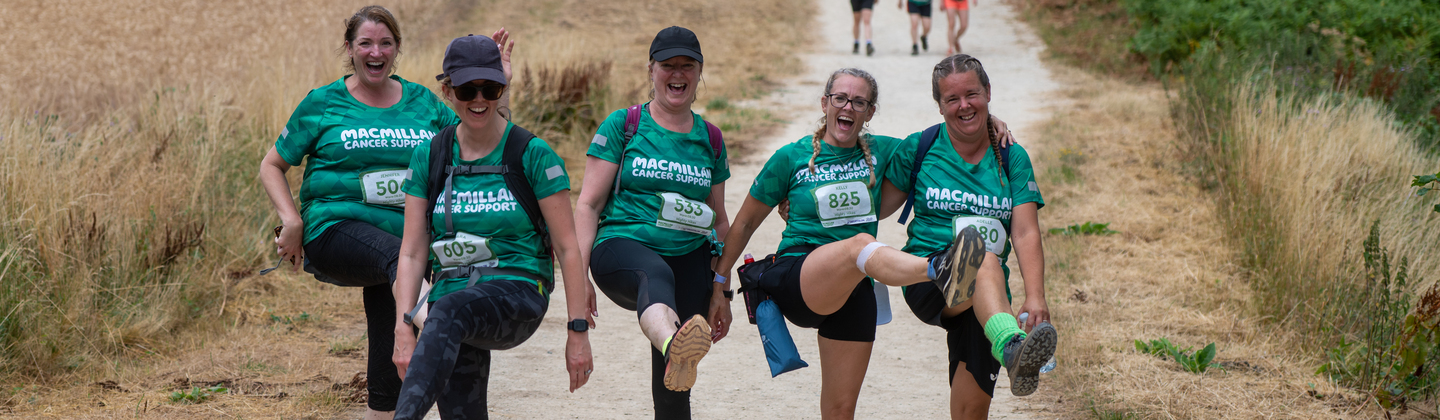
Take on a Mighty Hike!
You may be interested in
About the author