


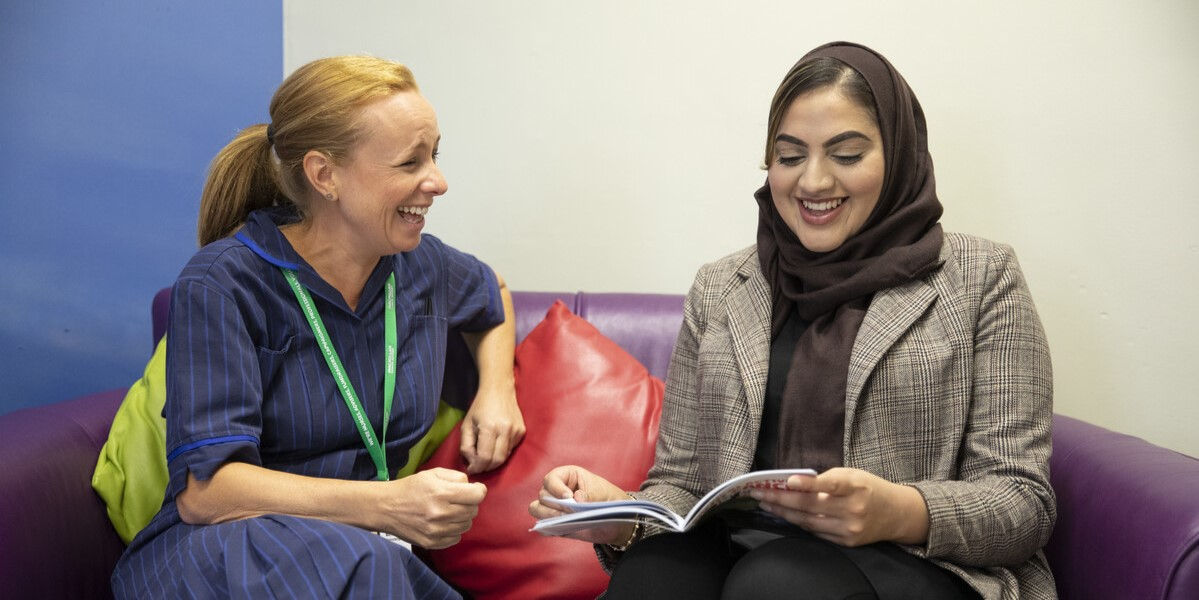
Teenagers and young adults affected by cancer
Whether you're a young person with cancer, or you're looking after someone else with cancer, find the help and support you need.
This page has information for:
- Young people with cancer
- Young carers
1. Information for young people with cancer
If you are a teenager or a younger adult and have cancer, it can be difficult to find information and support that is right for you. A lot of the things you are facing might be the same as an older person with cancer.
But other things might be different, such as the:
- type of cancer
- treatment you need
- people involved in your care
- things you need to think about or plan for
- effects of cancer treatment on your longer-term health and wellbeing.
Our cancer information is written for everyone and Macmillan is here to support you.
Explore our cancer information
There are also organisations that provide cancer information and support for specific ages and stages of life. We have listed some of them below.
Organisations supporting young people with cancer
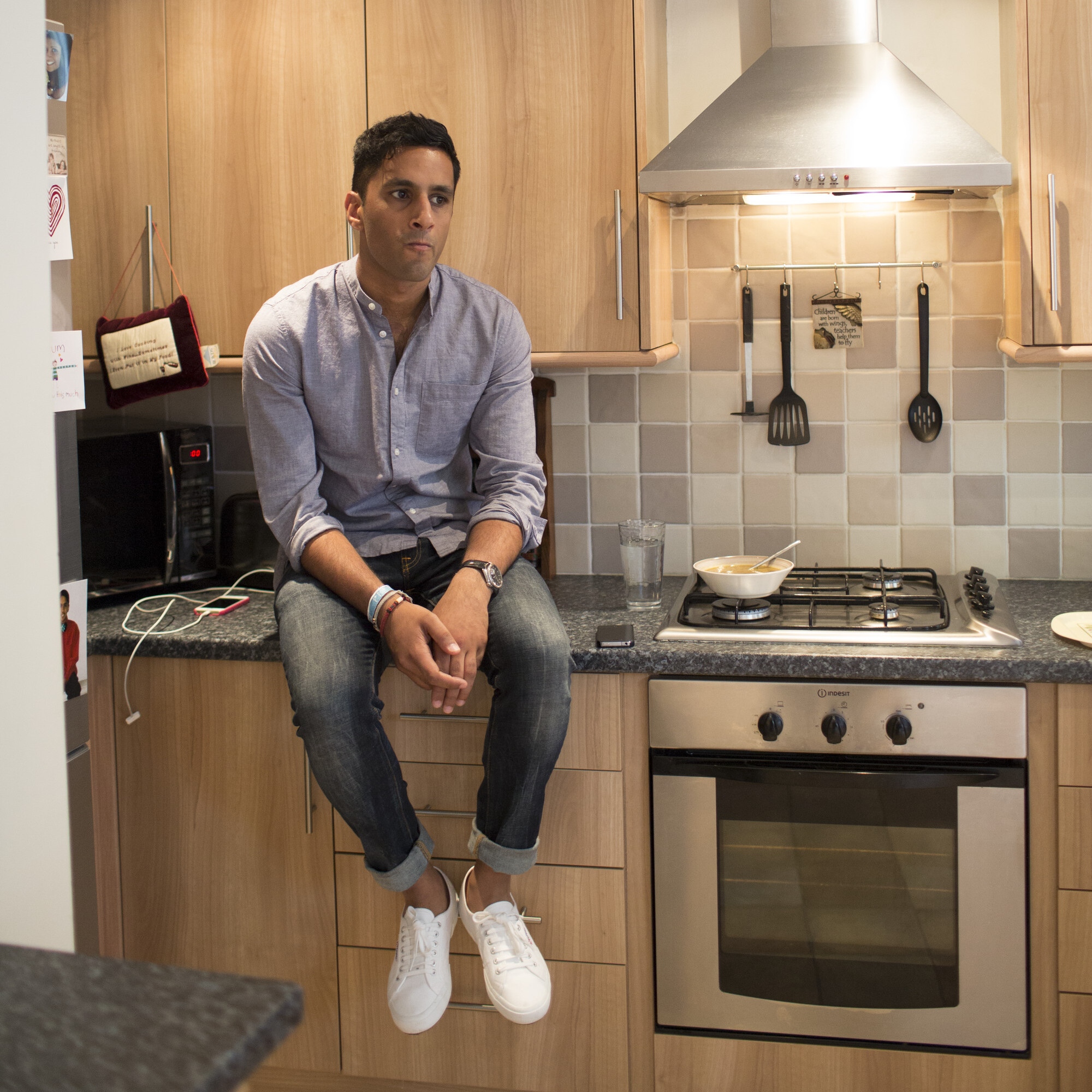
Amrik's story
"I’d just turned 18. All of a sudden I was being rushed from hospital room to hospital room.
I had quite a lot of anger. And I was in disbelief as well.
My parents being around every day was important. The best thing was when my friend surprised me by coming back from uni for a visit. He didn’t have to say much; it was just him talking about normal stuff that kept me going."
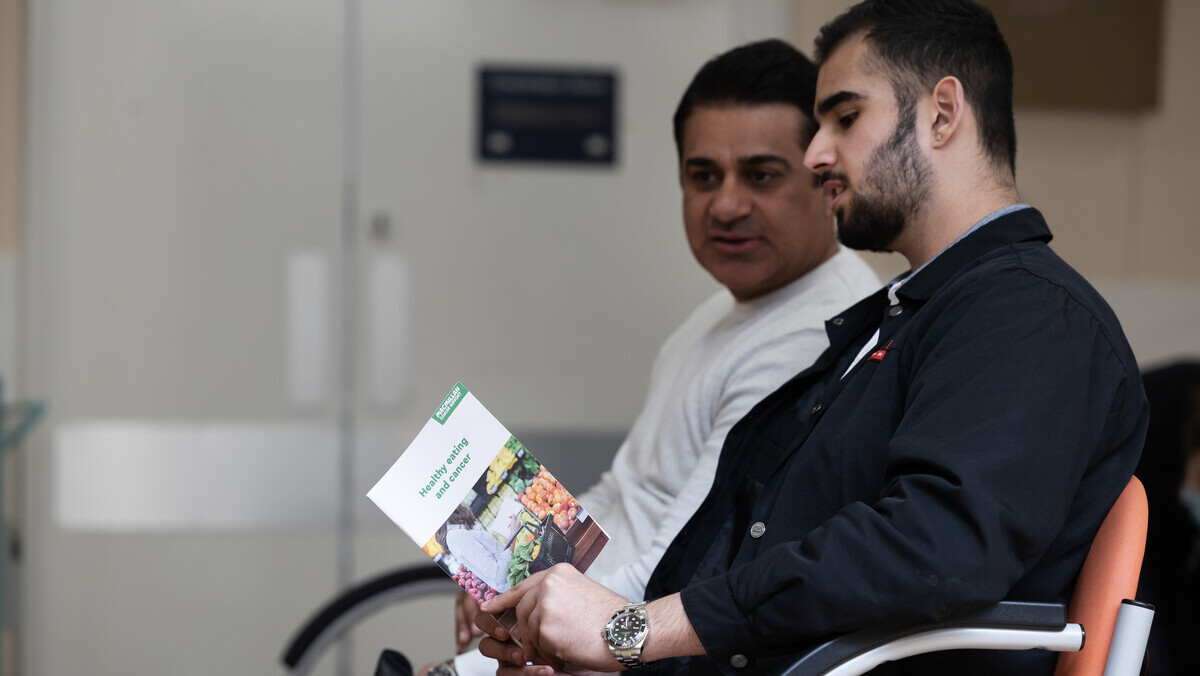
How we can help
If you would like to talk to us, you can:

Call us

Chat online

Join an Online Community forum
2. Information for young carers
If you are under the age of 18 and spend time looking after someone who is ill, you are a young carer. Being a young carer can affect your life in many ways.
We have more information about:
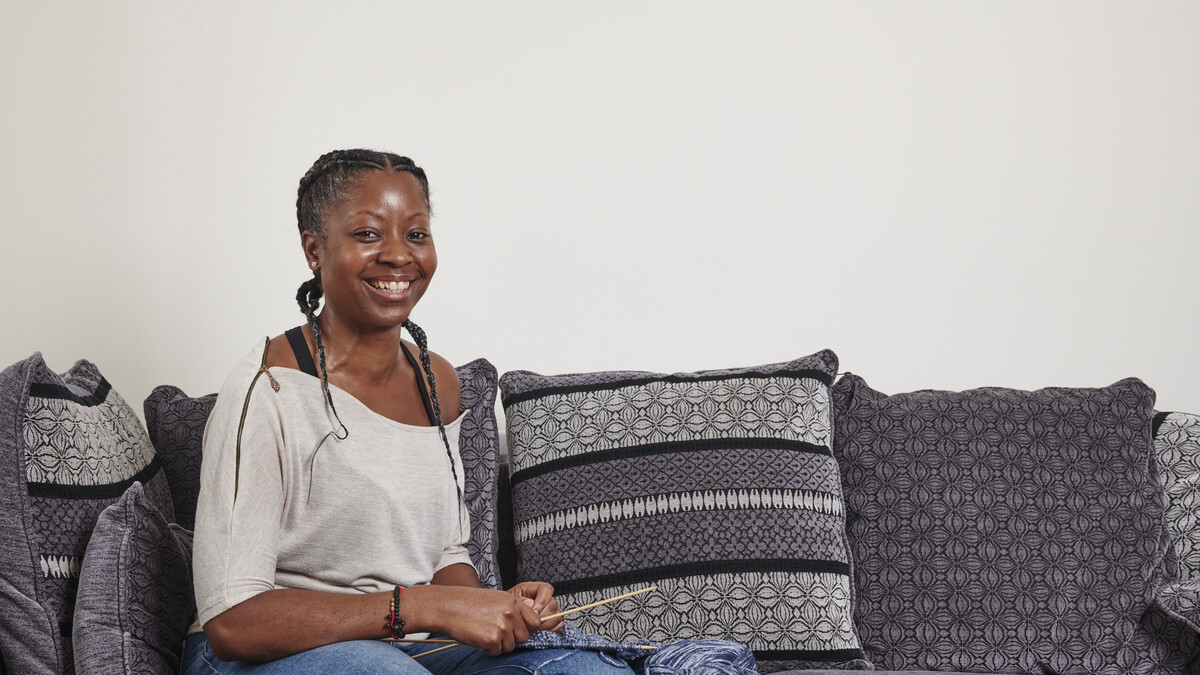
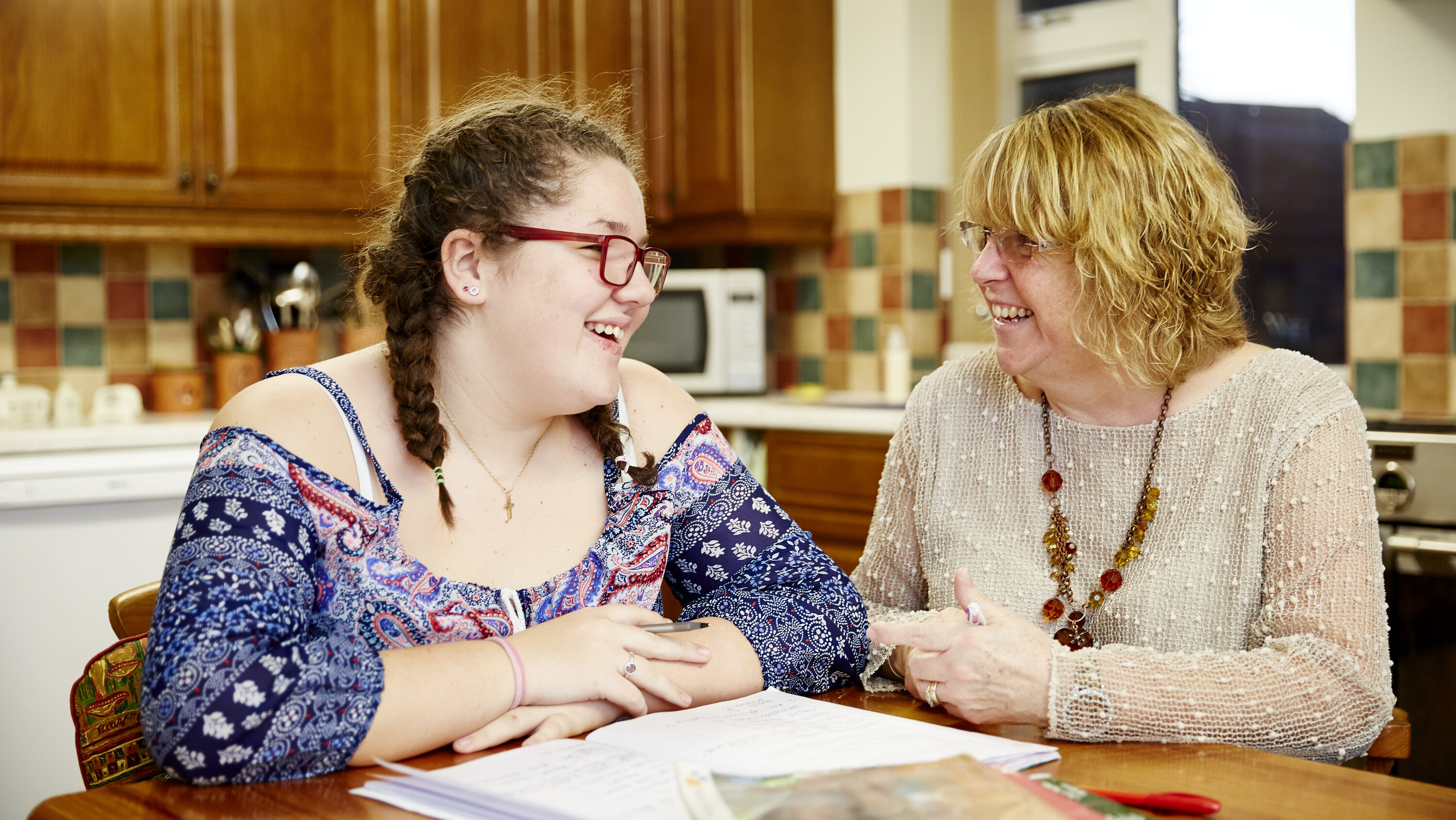

Amy's story
"My life changed so suddenly. My dad had been the one who’d cared for me, bought my clothes for school, did the washing and cooked my dinner. No-one else offered to step up and care for him, so it was up to me.
I've always thought that carers aren't recognised for just how much we really do. It is undeniably a 24-hour job, and the pressure is very real, especially if you're caring for someone close to you. Carers need care too."

Getting support as a young carer
If you would like to talk, get in touch. We offer practical, emotional and financial help for anyone affected by cancer, including young people and carers.

Call the support line

Chat to us online
Talk to others on the Online Community
"I used the community to vent my worries to others who’d been in my situation. People were so kind on there" - Sarah