Browser does not support script.
Skip to main content
search here
Find out how we produce our information|
When your treatment has finished you’ll have regular check-ups.
If you have any problems or notice any new symptoms between check-ups, let your doctor or nurse know as soon as possible. You may have a specific point of contact, such as a specialist nurse, who you can call if you have any problems.
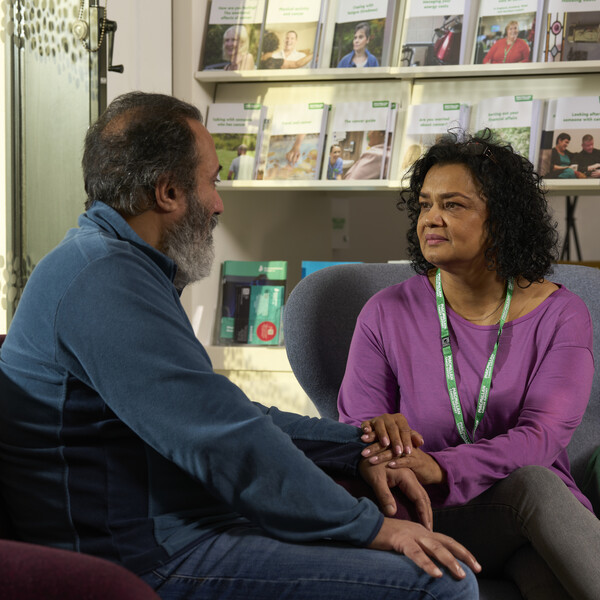
Many people find that they get very anxious before these appointments. This is natural. It may help to get support from family, friends or an organisation| during this time.
After cancer treatment many people need time to come to terms with the changes that have happened in their lives. Our section on life after cancer treatment| gives information about adjusting to life after treatment. It has helpful tips on looking after yourself, eating well and building physical activity into your routine.
Having cancer is a life-changing experience. When treatment finishes, many people find it helps to talk about it and share their thoughts, feelings and advice with other people.
This can be especially helpful for other people with CUP who are perhaps about to start their treatment. Just hearing about how you’ve coped, what side effects you had and how you managed them is very helpful to someone in a similar situation.
We can help you share your story. Call us| or visit our Cancer Voices| section for more information about becoming a Cancer Voice.
For answers, support or just a chat, call the Macmillan Support Line free (Monday to Friday, 9am-8pm)
If you have any questions about cancer, need support or just want someone to talk to, ask Macmillan.