Browser does not support script.
Skip to main content
search here
Find out how we produce our information|
For many people with CUP, the main aim of their treatment is to control symptoms|.
Treating symptoms is known as supportive care or palliative care. Some people with CUP may decide to have supportive care on its own without cancer treatments. But you can also have supportive care alongside cancer treatments and after it’s finished.
Doctors and nurses who specialise in controlling pain and other symptoms are called palliative care specialists. They are based in hospitals, hospices, palliative care units and pain clinics. They work with your GP, district nurses and other healthcare professionals to make sure your symptoms are well controlled. Palliative care nurses can also come to visit you in your own home. Your GP or cancer specialist can usually arrange this for you.
Many people with CUP feel very tired (fatigued|) and you may have less energy to do the things you normally do. This may be due to your illness or may be a side effect of your treatment. Your body will tell you when you need to rest. When you do feel like doing things, try to pace yourself. Start by setting yourself goals - maybe cooking a light meal or going for a short walk. Keeping a diary can help you record your energy levels and plan activities for when you’re feeling stronger.
Some causes of tiredness can be treated - for example, anaemia (low number of red blood cells) can be treated with a blood transfusion. Your doctor can take a blood sample from you to find out if you are anaemic.
Coping with pain is tiring and affects the quality of your sleep. If pain is causing or contributing to your tiredness, effective treatment for this will help you feel better and improve your energy levels. Getting a good night’s sleep will also help - there are some helpful tips in our section about fatigue|.
Fatigue is a common symptom of depression. If you think you’re depressed, talk to your doctor or nurse. Talking about your feelings with a psychologist or counsellor can help. A course of antidepressants may also help you feel better.
Try to maintain your weight by adding extra calories where you can. For example, you can add high-protein powders to your food or supplement meals with nutritious, high-calorie drinks. These are available from most chemists and can be prescribed by your GP. If you find it difficult to eat a lot at once, try eating several small meals and snacks during the day rather than three large meals.
You can also ask to be referred to a dietitian at your hospital. They can advise you which foods are best for you and whether any food supplements would help. If you’re at home, your GP can arrange this for you.
Our eating well| section has helpful tips on coping with eating problems.
Pain can usually be well controlled. If you are in pain, it’s important to let your doctor or nurse know so that you can be given appropriate treatment. Give them as much information as you can to help them to assess your pain and plan treatment. You may want to tell them:
There are many painkilling drugs available to treat different types and levels of pain. They come in different forms including tablets, liquid medicines and skin patches. Painkillers can also be given by injection.
Painkillers often cause constipation, so it’s important to eat a high-fibre diet and drink plenty of fluids. It’s usually necessary to take laxatives as well to prevent constipation – your doctor can prescribe these for you.
Cancer treatments such as chemotherapy| or radiotherapy| can also be used to relieve pain. They work by shrinking the cancer, but it may be a couple of weeks before you begin to feel the benefits.
Our pain| section has more information about painkilling drugs and other ways of controlling pain.
This can usually be relieved effectively by anti-sickness (anti-emetic) medicines|. There are different types available and your doctor will find the one that suits you best.
Some people find that complementary therapies| help them feel better and reduce symptoms. They can usually be used alongside conventional treatments and medicines. Many hospitals and hospices offer complementary therapies such as acupuncture, massage, aromatherapy and relaxation. It’s a good idea to talk to your specialist or GP first to check there are no reasons why you shouldn’t go ahead.
As well as coping with side effects of treatment or some of the symptoms we’ve mentioned, you’ll probably be dealing with different feelings|. Coping with CUP can be particularly difficult because there’s so much uncertainty. It’s often hard to understand the illness itself and to make sense of different tests you’re having. Trying to explain things to your family and friends when you don’t have clear answers yourself can be difficult.
You might find it helpful to talk to others in a similar situation. The Cancer of Unknown Primary Foundation - Jo's Friends| has a ‘meeting space’ on its website where you can talk to other people, which may help you fell less isolated.
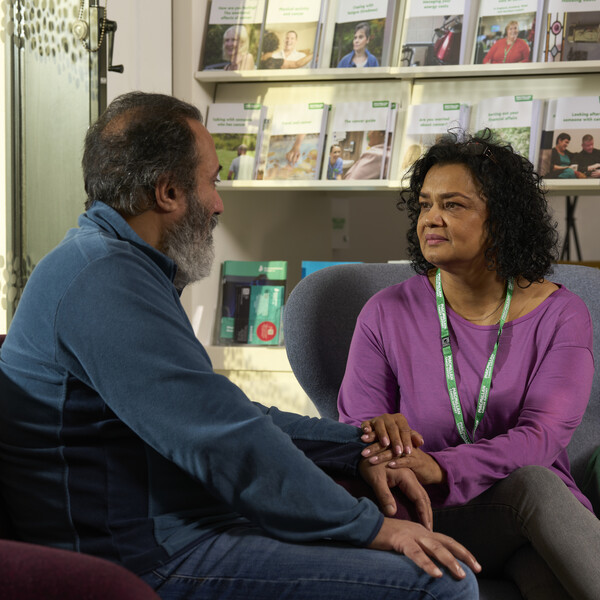
Some people need more than advice and support. You may find that the impact of cancer leads to depression, feelings of helplessness or anxiety. Specialist help is available to help you cope with these emotions. Often it’s easier to talk to someone who is not directly involved with your illness. You can ask your cancer specialist or GP to refer you to a counsellor who specialises in the emotional problems of people with cancer, and their relatives.
Our cancer support specialists| can tell you more about counselling and let you know about services in your area.
For answers, support or just a chat, call the Macmillan Support Line free (Monday to Friday, 9am-8pm)
If you have any questions about cancer, need support or just want someone to talk to, ask Macmillan.