Browser does not support script.
Skip to main content
search here
Find out how we produce our information|
As well as coping with the emotional aspects of cancer|, it’s likely that you’ll have to deal with the symptoms of advanced melanoma| and the side effects of treatment.
You may find that you are no longer able to do all the things you used to do for yourself. Usually family and friends are only too keen to help.
There are also many ways in which the doctors, nurses and other health professionals can help you. For example, you may have skin lesions that need a lot of care to clean and dress. It may be possible to have this done at your GP surgery or at home by a district nurse. Your GP or cancer specialist can arrange this for you.
Your hospital doctors may suggest referring you to a specialist palliative care team. These teams have doctors and nurses who are experienced in controlling symptoms and providing emotional support. Palliative care teams may be based in a hospital or in the community. Hospital-based palliative care teams are able to visit you if you are an inpatient in hospital or if you are attending an outpatient’s appointment. Community-based palliative care teams have nurse specialists who can visit and support you in your own home.
Chemotherapy, biological therapies, radiotherapy and surgery can all help to ease your symptoms. Sometimes treatment works quickly and you may notice an improvement within a few days. At other times, it may take longer to work and it can be a couple of weeks before you begin to feel all the benefits.
There are also several other methods of relieving symptoms. In this section we describe some of the most common symptoms that people with advanced melanoma experience.
You may feel tired and have less energy to do the things you normally do. If tiredness is a side effect of treatment, it may take you a while to recover after your treatment is finished.If you feel tired, it’s important to pace yourself. Try to save your energy for the things that matter to you and that you enjoy, rather than feeling that you have to do things around the house. Letting other people do these kinds of jobs can help you save energy for the things you really want to do.
When you feel like doing things, it’s important to try not to do too much. You may find that you need to rest and relax a bit more some days. Feeling tired and weak can make it harder for you to concentrate or to take part fully in what’s going on around you. So if you have important things to do, try to do them when you feel less tired.
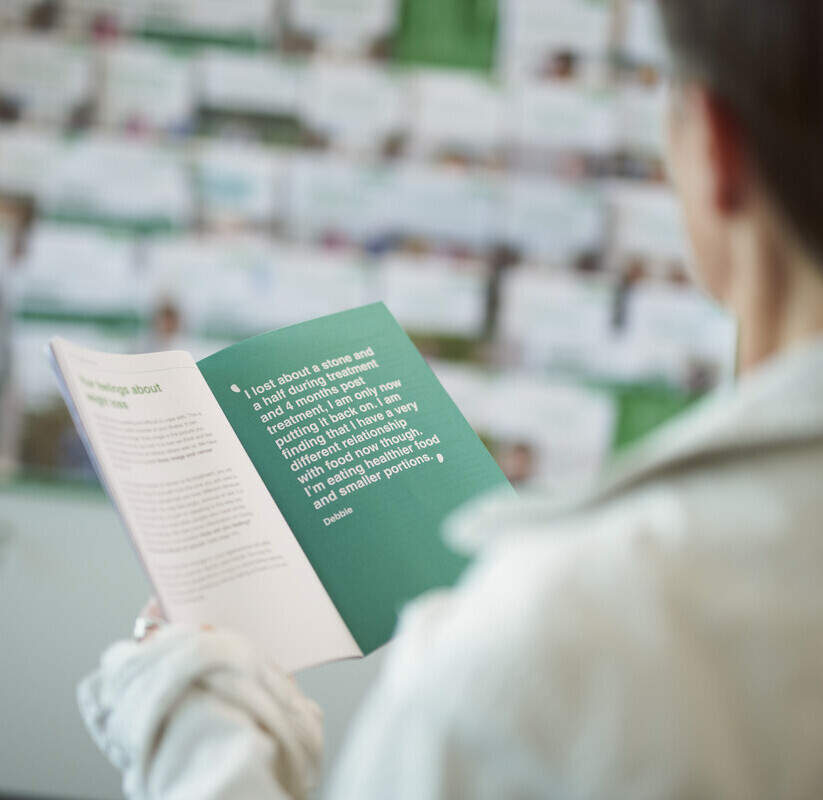
Some people lose interest in food. This may be a symptom of the cancer or may be because of treatment. You may be put off even by the sight and smell of food. Small, frequent, simple meals containing your favourite foods are likely to be most tempting. If you don’t feel like eating, your doctor can prescribe supplement drinks or liquid meals, such as Ensure® or Fortisip®. Sometimes medicines such as steroids or a hormone called megestrol acetate (Megace®) can help to increase your appetite. These can be prescribed by your doctor.
Some treatments for advanced melanoma cause sickness. This can often be effectively relieved by anti-sickness tablets (anti-emetics). There are several different types of anti-emetics available. Your doctor will find the one that suits you best. Steroids are often used. These can help to relieve sickness and make you feel more energetic, as well as improve your appetite.
Pain is often caused by the cancer itself, but not everyone with cancer gets pain. If you have pain, there are many different types of painkiller that your doctor can prescribe to control it. Some are better for certain types of pain; your doctors or specialist nurse will be able to advise you on the best painkillers for you. Usually you will be prescribed painkillers to take at set times of the day on a regular basis, rather than on an ad hoc basis. Taking painkillers regularly prevents pain building up and keeps it better controlled. Many painkillers can cause constipation, so it’s important to eat a diet high in fibre and to drink plenty of fluids. Your doctor can prescribe a laxative with your painkillers to prevent constipation. Radiotherapy can also be used to relieve pain.
If the melanoma has affected your appearance, there are organisations that provide camouflage make-up to cover up scars. Coping with a change in how you look can be difficult. You may worry about the effect your appearance has on the people close to you. Many people find that partners and those close to them are much less concerned by the changes in their appearance than they’d feared.
It’s important to get support and you may find it helps to talk things through with someone close to you, your specialist nurse or a trained counsellor.
If the melanoma has spread to the lymph nodes in the groin or under the arm, you may develop swelling of an arm, leg or other part of your body. The melanoma cells can block the flow of a fluid called lymph. If this happens, fluid will collect in the tissues under your skin, making your leg or arm swell. This is called lymphoedema.
If you’ve had surgery to remove your lymph nodes or radiotherapy to treat your lymph nodes, you are at increased risk of getting lymphoedema. It can develop a few weeks or several years after treatment
Lymphoedema can be improved by special massage techniques, exercises, bandaging and support stockings. Many hospitals have a nurse or physiotherapist who specialises in treating lymphoedema. The earlier treatment for lymphoedema is started, the more likely it is to be successful, so let your doctor know if you notice even mild swelling of your leg or arm.
You may it helpful to see our section on lymphoedema|. It includes information on prevention, skin care, exercise and more.
We also have video that explains the condition|, video with advice on compression garments|, and video of personal stories of living with lymphoedema|.
For answers, support or just a chat, call the Macmillan Support Line free (Monday to Friday, 9am-8pm)
If you have any questions about cancer, need support or just want someone to talk to, ask Macmillan.
Watch Denton's story of coping with fatigue
Our slideshow has tips and advice
Watch Irene and Bett'y stories of living with lymphoedema