Browser does not support script.
Skip to main content
search here
South East London is one of five cancer networks testing improved assessment and practical support for older people during their cancer treatment.
South East London Cancer Network are piloting a Geriatric Oncology Liaison Service which consist of a Consultant Geriatrician (0.2FTE), a Specialist Registrar in Geriatric Medicine (1.0FTE), and a Macmillan Clinical Nurse Specialist (0.8FTE). This is run from the Older People’s Assessment Unit at Guys and St Thomas’ NHS Foundation Trust (GSTT).
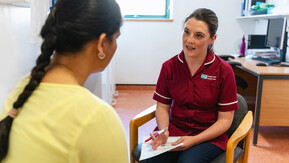
Following diagnosis, older patients are sent a self-assessment questionnaire to complete and return to the centre. The questionnaire asks about quality of life, activities of daily living and other health problems such as shortness of breath or hypertension. The Clinical Nurse Specialist (CNS) contacts each patient via telephone to discuss the questionnaire and invites those with complex needs to visit the clinic for a full Comprehensive Geriatric Assessment (CGA).
During the CGA, the Geriatrician will identify any issues with treatment including comorbidities, polypharmacy or continence problems. The healthcare team will then look to address these issues to ensure the patient is as fit as possible before they start their treatment. The Geriatrician and the CNS work closely with surgeons and oncologists to support treatment decision making.
GPs from Bexley Care Trust are working in partnership with this service and patients from Bexley are followed up by local GPs as opposed to attending the Older People’s Assessment Unit.
This video has been created by Guys and St Thomas’ NHS Foundation Trust to showcase their Geriatric Oncology Liaison Service. You will hear interviews with staff from the Older Peoples Assessment Unit, the Oncology team and hear one of their patients sharing their story.
All patients involved in this pilot are given a directory produced by the Geriatric Oncology Liaison Unit which details local practical support services which can provide assistance to patients during their cancer treatment.
Patients are contacted by the CNS during their treatment to see if they are accessing practical support and if they need assistance in doing so.
Read more about the South East London NHS Trusts involved in the pilot project here:
Find out more about Patricia and how the pilot project helped her.